Preparing for National Indigenous History Month

June is National Indigenous History Month, culminating in a nationwide celebration on June 21 in honour of National Indigenous Peoples Day. Across the country, communities gather to celebrate Indigenous cultures through ceremony, traditional dances, artwork, music, storytelling, and food.

For educators, National Indigenous History Month is an opportunity to help students learn about the unique cultures, traditions, histories, and contemporary experiences of First Nations, Métis, and Inuit Peoples. It is also a time to honour the stories, achievements, leadership, creativity, and resilience of Indigenous communities.

As you prepare for National Indigenous History Month and National Indigenous Peoples Day, consider how you can create meaningful opportunities for students to explore Indigenous voices, perspectives, and contributions. In this post, we share ideas for bringing National Indigenous History Month into the classroom through student research projects, discussions about contemporary Indigenous leaders and creators, and learning opportunities that extend beyond a single celebration.

Bringing National Indigenous History Month Into the Classroom

As educators, it’s important to bring the celebrations and learning that define National Indigenous History Month into the classroom in meaningful and engaging ways. Creating opportunities for students to learn about Indigenous leaders, artists, athletes, Elders, Knowledge Keepers, and changemakers helps learners understand that Indigenous cultures are vibrant, diverse, and contemporary.

One way to structure this learning is through a culminating classroom project leading up to National Indigenous Peoples Day. Throughout the month, set aside time for students to work on a research presentation about an Indigenous community leader, artist, athlete, activist, or creator of their choice. Presentations can take the form of a slideshow, poster board, video, or artwork. Encourage students to create something that can be displayed throughout the school so others can learn from their work. 

As students research and prepare their presentations, encourage them to think critically about place, identity, and impact. Ask students to consider:

  • Why did they choose this person?
  • What Nation or community is this individual from? 
  • What languages do they speak or advocate for?
  • What Traditional Territories or treaty areas are connected to this person?
  • What do they find inspiring about this person?
  • What impact has this person had on their community or on a broader scale?

Giving students the freedom to choose from a wide range of professions and experiences helps demonstrate the diversity of Indigenous life and leadership.

Exploring Different Research Topics and Areas of Interest

Encouraging students to choose a topic that genuinely interests them can help create a more meaningful and engaging learning experience. Students may connect strongly with music, film, sports, leadership, activism, or the arts, and giving them a variety of options helps demonstrate the diversity of Indigenous experiences and contributions.

Below are some examples of different areas students can explore as part of their presentation.

Music and Film

Students can research an Indigenous musician, actor, filmmaker, or author, exploring where they’re from, what kind of work they create, and the themes or stories they share through their art. For example:

If students focus on a TV show or film, encourage them to think critically about how Indigenous Peoples are represented in contemporary media. How does this piece of media reflect authentic lived experiences? Does it challenge stereotypes or colonial narratives about Indigenous Peoples? If so, how?

Social Media and Influencers

Students may also choose to learn about Indigenous influencers and content creators who use social media to share language revitalization journeys, humour, activism, education, fashion, or cultural teachings. Read through this list to learn more about different Indigenous influencers in Canada.

Sports and Traditional Games

Students interested in sports can research Indigenous athletes in hockey, lacrosse, and other professional sports. Encourage students to examine lacrosse’s history from an Indigenous perspective and learn about athletes who continue to shape the sport today. 

Though lacrosse may be one of the better-known Indigenous sports for those living in the southern parts of Canada, it’s not the only one. There are many traditional Inuit games and sports that are a major part of Inuit life. One such game is nalukataq, or blanket toss. Participants are thrown into the air from a walrus or seal skin held by others. Originally a hunting technique used to spot game, the blanket toss is now used for celebration and competition.

Social and Political Leadership

Students interested in politics, advocacy, or social change could research Indigenous leaders, scholars, activists, and changemakers. For example, students might explore the work of Dr. Cindy Blackstock, co-founder of the First Nations Child and Family Caring Society, or the Honourable Murray Sinclair, Chief Commissioner of the Truth and Reconciliation Commission of Canada. 

Students could also explore Indigenous scholars and writers who discuss Indigenous resurgence, self-determination, community relationships, and Indigenous ways of knowing. This might include one of the following individuals:

  • Leanne Betasamosake Simpson, who brings together storytelling, music, and Indigenous knowledge to explore Indigenous resurgence and resistance.
  • Taiaiake Alfred, whose work focuses on Indigenous governance and rebuilding Indigenous ways of living and thinking.
  • Pam Palmater, who writes about strengthening relationships between Indigenous communities, governments, and future generations.
  • Glen Coulthard, whose work examines Indigenous self-determination and alternatives to colonial political systems.

Artisans and Traditional Art

Students could also research Indigenous artists, painters, carvers, beadworkers, or craftspeople to learn more about traditional and contemporary Indigenous art forms. Encourage learners to think about how art can communicate stories, teachings, identity, and relationships to land and community. For example:

  • Anishinaabe artist Norval Morriseau, who was the first Indigenous artist to have their work featured in a contemporary art gallery in Canada.
  • Métis visual artist Christi Belcourt, best known for her large painted floral landscapes of Métis beadwork.
  • Haida sculptor Bill Reid, whose work helped bring attention to Haida art and Northwest Coast Indigenous art.
  • Interdisciplinary Cree visual artist Kent Monkman, whose work explores the complexities of historic and contemporary Indigenous experiences.
  • Inuk artist Kenojuak Ashevak, who is widely celebrated and remembered as one of the leading figures in modern Inuit art. 

Continuing the Learning Beyond June

National Indigenous History Month can cap off a year of learning that integrates Indigenous voices, perspectives, and experiences across the curriculum. While June provides an important opportunity for celebration and reflection, meaningful Indigenous education should continue throughout the school year.

As educators, we can support this learning by creating opportunities for students to engage with Indigenous histories, contemporary experiences, treaties, Truth and Reconciliation, and local community perspectives in respectful and age-appropriate ways.

The following resources can help support ongoing classroom conversations and learning:

By creating respectful, relationship-based learning opportunities throughout the year, educators can help students build a deeper understanding of Indigenous Peoples while fostering empathy, curiosity, and meaningful connections within their classrooms and communities.

National Indigenous Languages Day: Supporting Language Learning in the Classroom

March 31 marks National Indigenous Languages Day in Canada. This day recognizes the importance of Indigenous languages and the work communities are leading to reclaim, revitalize, maintain, and strengthen them.

Across the country, Indigenous Nations are reclaiming their languages that colonial policies attempted to suppress for generations. Residential schools and other assimilation policies intentionally disrupted language use in many communities. Despite these harms, Indigenous languages continue to endure through the work of Elders, language speakers, educators, and community leaders.

As educators, National Indigenous Languages Day offers an opportunity to help students understand the importance of Indigenous languages and their role in culture, identity, and community life.

Even small classroom activities can support this learning. We might explore local languages, examine Indigenous place names, or listen to Indigenous speakers sharing their language. These experiences help students recognize the strength and resilience of Indigenous languages.

Why Indigenous Languages Matter

Indigenous languages carry knowledge, cultural teachings, and relationships to land that have developed over thousands of years.

Language shapes how people understand the world around them. It reflects relationships with land, animals, water, and seasonal cycles. Many Indigenous languages contain knowledge about ecological systems and local environments.

The First Peoples’ Cultural Council (FPCC) highlights this relationship: 

“Language diversity is directly connected to cultural and ecological diversity. Indigenous people recognize an essential connection between language and land.”

Language also supports identity and cultural continuity. FPCC explains:

“Language is essential to identity and transmits values, spiritual and traditional practices, and history across generations.” 

When Indigenous languages are strengthened, the cultural knowledge they carry gets stronger as well.

Language revitalization is also deeply connected to healing. Colonial policies disrupted language learning in many communities, but revitalization reconnects people with identity, community, and cultural knowledge. Revitalization efforts help rebuild cultural connections and strengthen community well-being.

Indigenous language advocates frequently speak about the importance of this work. As  Khelsilem Tl’aḵwasiḵ̓an Sxwchálten, a Skwxwú7mesh-Kwakwaka’wakw political leader raised in North Vancouver, British Columbia, explains in his TEDx talk on language revitalization, language renewal is fundamentally about rebuilding community connections and cultural knowledge systems. Language revitalization is not only about preserving words. It is about restoring connections between people, culture, and place.

As educators, this perspective can shift how we introduce Indigenous languages in the classroom. Rather than presenting language as isolated vocabulary, we can help students see language as part of broader knowledge systems rooted in land, relationships, and community.

How Educators Can Support Indigenous Languages in the Classroom

Indigenous language revitalization is led by communities, Elders, language speakers, and educators who are working to strengthen language use for future generations. While schools cannot replace community language learning, we can support this work by creating respectful opportunities for students to learn about Indigenous languages and the knowledge they carry.

The following approaches can help introduce Indigenous languages in meaningful ways.

Learn From Indigenous Language Advocates and Communities

Indigenous language speakers, scholars, and advocates regularly share perspectives about language revitalization. These voices help students understand why language revitalization is such an important part of Indigenous cultural resurgence.

As educators, we can explore talks, articles, and community initiatives led by Indigenous language advocates. These resources help students see that Indigenous languages are living and actively used today.

Start With the Indigenous Languages In Your Area

One of the most meaningful starting points is learning about the Indigenous languages connected to the land where we teach.

You can begin by exploring:

  • the Indigenous Nation or Nations connected to the territory
  • the language or languages spoken in that region
  • the meanings behind local Indigenous place names

Many Indigenous place names describe geographic features, animals, or cultural teachings connected to the land. Exploring these meanings helps students understand how language reflects relationships with place and reinforces the connection between language, land, and knowledge. 

Tools like Native Land Digital can help us identify the Indigenous languages and Nations connected to our local area.

Use Indigenous-Created Language Learning Resources

You do not need to be a language expert to introduce Indigenous languages in the classroom. Many resources created in collaboration with Indigenous communities can support this learning.

For example:

  1. FirstVoices provides interactive dictionaries and pronunciation recordings for many Indigenous languages. Students can hear words spoken by fluent speakers and language learners from the communities where the languages originate.
  2. The Canadian Language Museum offers educational tools that highlight the diversity and history of Indigenous languages across Canada.
  3. The Office of the Commissioner of Indigenous Languages maintains an extensive resource library for Indigenous language learning programs and educational materials in many languages. 

These resources help students hear Indigenous languages spoken by community members while learning about the ongoing work of language revitalization.

Create Opportunities for Ongoing Learning

National Indigenous Languages Day can be a starting point for deeper learning throughout the year.

As educators, we can connect language learning with culture, land-based education, and community knowledge. For example:

  • inviting language speakers, Elders, or Knowledge Keepers to share their experiences when appropriate
  • attending community language events or cultural gatherings
  • exploring seasonal teachings connected to land and environment
  • discussing how language expresses relationships with animals, water, and land

These experiences help students understand that Indigenous languages are living knowledge systems connected to culture, land, and community.

Continuing the Learning Journey

National Indigenous Languages Day celebrates the strength and resilience of Indigenous languages across Canada. It also reminds us that language revitalization is ongoing work led by Indigenous communities.

As educators, we can support this work by helping students understand community efforts and by creating space for Indigenous Languages in the classroom. Learning alongside students, listening to Indigenous voices, and creating space for Indigenous languages in the classroom can help learners better understand the relationships between language, culture, and land.

Through these learning experiences, students gain a stronger appreciation for the diverse Indigenous cultures and histories that shape Canada today.

World Water Day: Teaching About Water Justice in Canada

March 22 is World Water Day, a global movement that highlights the importance of clean, safe water. In Canada, this day also highlights an urgent and ongoing issue: many Indigenous communities continue to face challenges accessing safe drinking water.

While more than 140 long-term drinking advisories in Indigenous communities have been lifted since 2015, dozens of communities still experience water insecurity. Access to clean water directly impacts health, education, and overall community well-being. For educators, World Water Day is an opportunity to move beyond general environmental awareness and engage students in meaningful conversations about water justice in Canada. 

Water is More Than a Resource

For many Indigenous Nations, water is not simply a commodity or utility. Water is sacred. It is living. It is deeply connected to land, language, governance, and responsibility. 

Indigenous Water Protectors and youth leaders have consistently emphasized that caring for water is both a spiritual and legal responsibility. Indigenous Water Protectors and Water Carriers continue to lead important work to safeguard waterways and advocate for long-term protections. These perspectives remind us that conversations about water are also conversations about sovereignty, stewardship, and Indigenous rights.

Bringing these perspectives into the classroom helps learners understand that environmental issues are also social and political issues shaped by history, policy, and power. 

Why This Matters in Education

Water insecurity directly affects students. When communities lack reliable access to clean drinking water, it impacts school attendance, infrastructure, and health. It also shapes how youth experience their relationship to land and community. 

World Water Day provides educators with an opportunity to:

  • Connect environmental learning to Indigenous rights and governance
  • Explore how public policy affects communities differently
  • Highlight Indigenous leadership in environmental stewardship
  • Foster critical thinking about sustainability and responsibility

These conversations can be integrated across science, social studies, geography, and civics classrooms.

If you’re looking for ways to expand environmental learning beyond a single day, you may also find helpful reflections in our previous blog post, Earth Day and Beyond: Our Water.

Organizations Supporting Indigenous-Led Water Initiatives

Several organizations are working alongside Indigenous communities to strengthen water security and environmental capacity:

  • Water First supports water operator training, youth education, and environmental monitoring initiatives.
  • The Water Carriers Project, run by the Native Women’s Association of Canada, uplifts Indigenous women, girls, and gender-diverse people as leaders in self-determined water governance and guardians of future generations.

Learning about and amplifying these initiatives helps learners understand that solutions must be community-led and grounded in Indigenous Knowledge systems.

Classroom Discussion Prompts

When discussing World Water Day with students, consider exploring: 

  • What does it mean to say water is sacred or living?
  • Why might access to clean water differ between communities?
  • How are Indigenous Nations leading water stewardship efforts?
  • What responsibilities do governments and citizens share in protecting water?

For younger learners, consider incorporating age-appropriate stories and resources that explore themes of water, land, and stewardship. For example, We Are Water Protectors by Carole Lindstrom. 

World Water Day is an opportunity not only to raise awareness but to deepen our understanding of water as a shared responsibility. In Canada, that responsibility includes recognizing Indigenous leadership, lived realities, and long-standing relationships to land and water.

Louis Riel Day: Honouring Métis Leadership in Manitoba

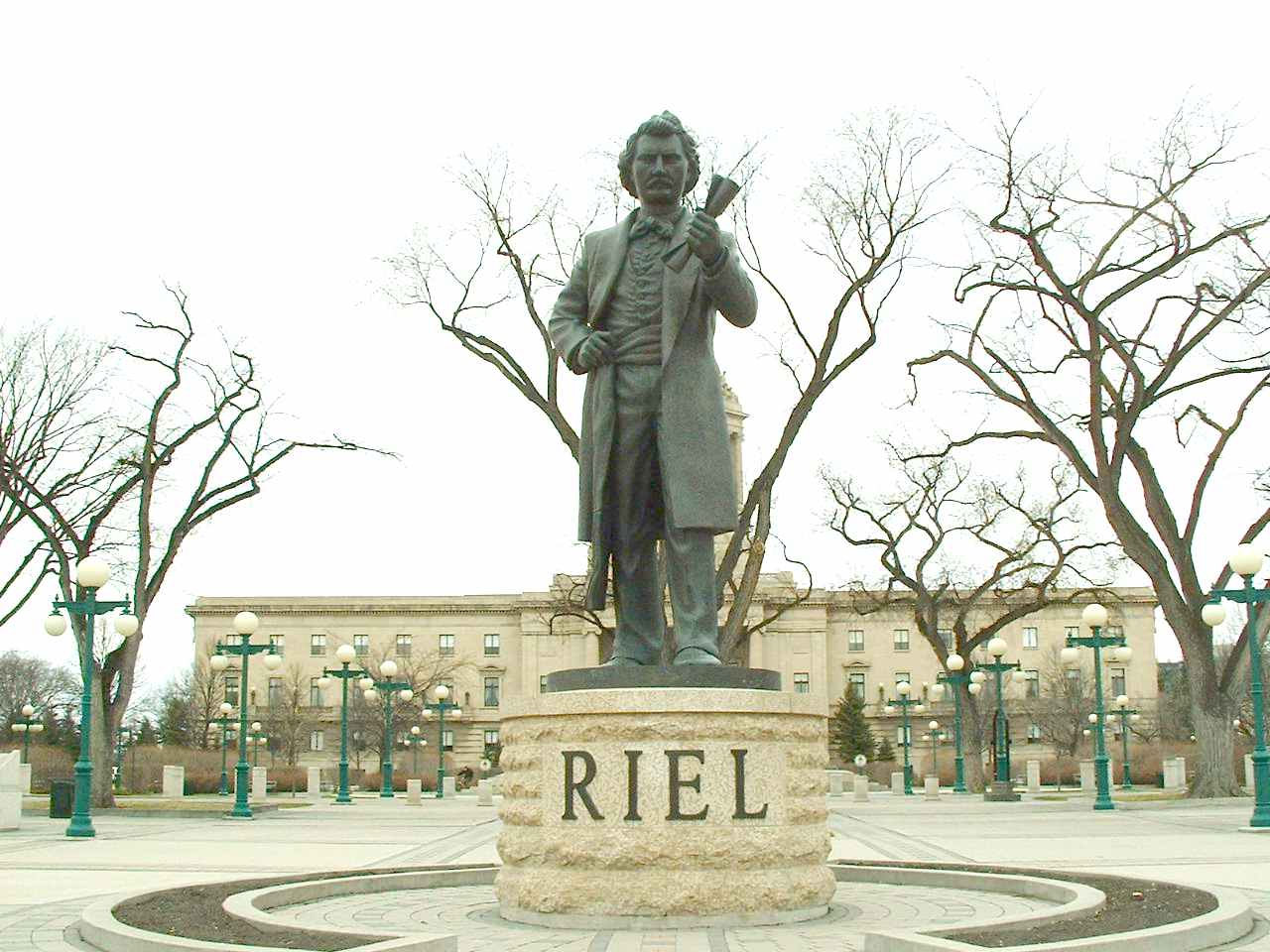
Each February, Manitobans observe Louis Riel Day to honour the life and legacy of Louis Riel, a Métis leader who helped shape the province’s history. The day recognizes his leadership during the Red River Resistance and his role in negotiating Manitoba’s entry into Confederation in 1870.

For educators, Louis Riel Day offers an opportunity to centre Métis history, governance, and identity in meaningful ways. It invites learners to explore how Métis leadership influenced the formation of Manitoba and how those conversations continue to shape discussions about rights, belonging, and self-determination today.

Why Louis Riel Day Matters in the Classroom

Louis Riel remains a complex and significant historical figure. Some remember him as a political leader and the founder of Manitoba. Others view him through the lens of resistance and justice. Exploring these perspectives encourages critical thinking and helps learners understand how history reflects power, voice, and interpretation.

Louis Riel Day also provides an opportunity to learn about the broader history of the Métis Nation. Educators can use this time to highlight Métis culture, governance, language, and contributions to Canadian history. When learners engage with Métis perspectives directly, they gain a deeper understanding of Manitoba’s foundations and Indigenous leadership across the country.

Supporting Meaningful Learning About Louis Riel and Métis History

To support classroom learning, we have curated a collection of free, classroom-ready resources that centre Louis Riel and Métis voices. These resources help educators:

  • Introduce Louis Riel’s role in Manitoba’s entry into Confederation
  • Explore Métis governance and community leadership
  • Examine primary and secondary sources
  • Encourage reflection on identity, resistance, and reconciliation
  • Connect historical events to present-day conversations about Indigenous rights

Whether you teach in Manitoba or elsewhere in Canada, these resources provide accessible entry points for engaging learners with Métis history in thoughtful and respectful ways.

Classroom Resources for Louis Riel Day

  • Who are the Métis? People, Land, and Culture (Resource Kit) – This resource kit introduces learners in grades 4-5 to key aspects of Métis identity, including language, land, symbols, and important figures. Students will create story cards to represent what they’ve learned and use them to design a scene that shares their understanding of Métis culture.
  • Louis Riel, the Red River Resistance, and Beyond (Resource Kit) – Designed for older learners (grades 6–12), this resource kit includes extension activities that deepen understanding of Métis identity, Louis Riel’s leadership, and the Red River Resistance. Through critical reflection and discussion, students examine how these historical events relate to contemporary Métis experiences.
  • Rupertsland Institute – Métis Week Resources – Find Métis-developed learning materials, printables, and activities for various grade levels from the Métis Centre of Excellence.
  • Manitoba Métis Federation — Explore community events, commemorations, and activities taking place across Manitoba.

Continuing the Conversation

Louis Riel Day is an opportunity to reflect on Métis leadership, self-determination, and the shaping of Manitoba. By engaging learners with Métis history and perspectives, educators help foster deeper understanding, critical thinking, and respect for Indigenous governance and nationhood.

We encourage you to explore the resources and bring these conversations into your classroom.

Image: https://upload.wikimedia.org/wikipedia/commons/c/c4/Louis_Riel_Statue.jpg

“Louis Riel Statue” is licensed under CC BY-SA 3.0.

Indigenous Storytelling Month: Educator Resources

Indigenous Storytelling Month: A Time to Honour Story

Each February, Indigenous Storytelling Month takes place across Saskatchewan. Since 2004, Library Services for Saskatchewan Aboriginal Peoples (LSSAP) has coordinated activities to honour storytelling and support community-led events. This year, educators and community members can take part in more than 100 in-person and online gatherings that celebrate storytelling as a living, relational practice.

Although Saskatchewan formally observes Indigenous Storytelling Month, the teachings behind it reach far beyond provincial borders. For educators across Canada, winter is an especially meaningful time to integrate Indigenous storytelling into classroom practice.

Why Winter Is Traditionally the Time for Storytelling

Across many Indigenous communities, winter is the traditional time to share stories. At this time of year, hunting and gathering activities slow and food has been prepared and stored. Thus, families and communities have more time to gather, rest, and reflect together. Winter creates space for careful listening, shared learning, and the passing of knowledge through story.

Storytelling is not simply a form of entertainment. It teaches history, values, spirituality, and language. It also carries responsibilities for both the storyteller and the listener. In many Nations, certain stories are shared only during winter, reflecting the importance of timing, respect, and intention. These teachings reinforce that stories are living knowledge, shared at the right time and in the right way.

Storytelling, Wellbeing, and Learning in the Winter Months

Winter storytelling also supports wellbeing. During months when people may feel isolated or low-energy due to shorter days and less sunlight, storytelling offers grounding, connection, and resilience. Through storytelling, learners build relationships and practice attentive listening. Through stories, they also engage with teachings that guide how to live well with others and with the land.

Indigenous Storytelling Month highlights the enduring role of storytelling in Indigenous cultures. It also offers educators an opportunity to centre Indigenous storytelling pedagogy in their classrooms—whether through oral stories, seasonal teachings, or place-based learning.

Educator Resources for Integrating Indigenous Storytelling Pedagogy

For educators looking to move from learning into practice, the following resources offer classroom-ready ways to thoughtfully integrate Indigenous storytelling into teaching and learning.

Storytelling in the Classroom: More Than Just Words

This post explores storytelling as pedagogy rather than performance. Educators will learn how oral storytelling supports relationship-building, listening, memory, and cultural learning, and how stories can guide reflection and discussion across subject areas. 

Circles and Stories: How to Bring Oral Storytelling and Listening into the Classroom

This resource focuses on creating intentional spaces for storytelling and listening, such as sharing circles. This post has strategies for fostering respect, attention, and reciprocal learning while supporting learners in understanding their role as listeners and storytellers.

Under the Night Sky: Indigenous Constellation Teachings

Winter is the perfect time to share Indigenous constellation teachings. In this post, we explore how these teachings connect storytelling, science, art, and place-based learning, and how stories of the night sky carry cultural knowledge and seasonal teachings for learners.

SaskDLC Resource Bank: Indigenous Storytelling Lesson

This classroom-ready lesson from the Saskatchewan Distance Learning Centre (SaskDLC) offers educators a structured way to explore Indigenous storytelling through guided activities and discussion. The resource supports curriculum connections while encouraging respectful engagement with Indigenous stories and oral traditions.

Together, these resources can help you integrate storytelling pedagogy with care, respect, and intention. By incorporating storytelling during the winter months, you can create learning experiences that honour Indigenous knowledge systems while strengthening connection, curiosity, and community in the classroom.

Photo: Image of a traditional Haudenosaunee longhouse at the Ska-Nah-Doht Village and Museum at Longwoods Road Conservation Area in Mount Brydges, Ontario.

“Iroquoian Village – panoramio” by rokker is licensed under CC BY 3.0.

Carrying Truth and Reconciliation Forward in the Classroom

On September 30, Canada honours the National Day for Truth and Reconciliation—also known as Orange Shirt Day—to discuss the effects and legacy of residential schools and build bridges toward reconciliation. For educators, this day highlights the importance of truth and reconciliation in the classroom, ensuring that learners of all ages engage with these histories and their lasting impacts.

This national day of reconciliation grew out of an Indigenous-led grassroots movement called Orange Shirt Day. This movement began in May 2013 when Phyllis Webstad told the story about how her new orange shirt, a gift from her grandmother, was taken away from her when she went to residential school at six years old. This story inspired Orange Shirt Day and remains the reason why orange is so deeply associated with the journey of truth and reconciliation within Canada.

What started out as a commemoration for the St. Joseph Mission residential school has now moved beyond a day of remembrance to a sustained call to action across Canada. Educators play an important role in ensuring that we follow through on this call to action by embedding reconciliation into their daily teaching practice. In this post, we share some guiding principles, reflection questions, and resources to help educators carry the conversation forward all year.

Guiding Principles for Educators

There are some guiding principles educators can use to bring truth and reconciliation into the classroom year-round.

Truth-Telling

Truth-telling is an integral part of reconciliation because it promises to “change national narratives and create a new collective memory that acknowledges crimes of the past.” For Indigenous Peoples, truth-telling is necessary to address the harm caused by colonization, including policies that sought to erase Indigenous presence, voices, and histories.

Historically, governments and institutions have denied, silenced, or erased the truths shared by Survivors and their families. Truth-telling is both a political and deeply personal act. It challenges denial and calls on society to reckon with its past. Internationally, truth-telling processes have been recognized as a way to confront histories of violence and injustice. In Canada, it continues to be central to reconciliation.

In classrooms, truth-telling requires educators to centre the voices of Survivors and other Indigenous people. By directly engaging with oral histories, testimonies, and community resources, learners can begin to understand the legacy and ongoing impacts of residential schools from those who lived them. This approach shifts learning away from abstract or sanitized accounts and toward meaningful engagement with truth.

When choosing resources to support truth-telling, ask yourself:

  • Whose voice is being centred? Is the resource rooted in Survivor testimony, Indigenous authorship, or lived experience?
  • Whose perspective is missing? Are Indigenous voices present, or is the narrative filtered through a non-Indigenous lens?
  • Does the resource challenge denial or erasure? Does it clearly name the harms of residential schools and colonization?
  • Is it respectful and age-appropriate? Will learners be guided to engage with the truth in a meaningful but not harmful way?
  • How does this resource connect to ongoing reconciliation? Does it frame residential schools as part of a continuing legacy rather than as a closed chapter of the past?

Relationship Building

For many educators, schooling offered little accurate knowledge about Indigenous Peoples. In many cases, Indigenous histories, languages, and cultures were absent from curricula, or when included, were misrepresented. These portrayals, shaped by the settler state rather than by Indigenous voices, contributed to widespread misunderstandings and stereotypes.

Today, building authentic relationships with local Indigenous communities is essential for creating meaningful and authentic learning experiences that centre Indigenous voices and perspectives. These relationships enrich classroom teaching, support cross-cultural understanding, and ensure that learners engage with knowledge grounded in lived experience.

One way to foster these connections is by inviting Indigenous guest speakers or hosting cultural events in schools. These visits can bring learners into direct contact with the diverse traditions, knowledge systems, and perspectives of Indigenous Peoples. Because such visits require respectful planning and collaboration, we’ve shared practical tips and strategies in our post on hosting Indigenous guest speakers and events.

When reflecting on the process of building relationships, ask yourself: 

  • Whose relationships are shaping the learning? Am I creating space for Indigenous community members, Elders, or Knowledge Keepers to lead, or am I relying mainly on outside/settler-created resources?
  • Am I approaching these relationships respectfully? Have I taken time to learn about cultural Protocols and expectations for engaging with Indigenous communities?
  • How are learners experiencing these relationships? Are students engaging with Indigenous voices as living, dynamic, and diverse, rather than as static “content” in the curriculum?

Reciprocity and Respect

At the heart of reconciliation is a commitment to reciprocity and respect. These values shape how we teach, learn, and relate to one another. In education, reciprocity means that learning is not one-directional; it honours the exchange of knowledge between teachers, learners, Elders, families, and communities. Respect ensures that this exchange happens in ways that acknowledge Indigenous knowledge systems, experiences, and Protocols.

For educators, this principle is about more than including Indigenous content in the classroom. It is about creating a learning environment that reflects these values in practice. Reciprocity can look like inviting learners to share their own experiences and knowledge, while respect can mean ensuring Indigenous voices and perspectives are presented authentically and with care. 

Together, they foster classrooms where truth-telling and reconciliation are lived, not just taught.

We’ve shared some practical approaches for weaving these principles into classroom practice in our earlier post on using Indigenous pedagogies in your classroom, including the four Rs of Indigenous education. 

When reflecting on how reciprocity and respect are embedded in your teaching practice, ask yourself:

  • Am I treating learning as a two-way exchange? How are learners, families, and community members contributing knowledge alongside educators?
  • Whose voices are being respected in this lesson? Are Indigenous perspectives represented authentically and in their own words?
  • Am I honouring Protocols? Have I taken care to ensure resources and activities reflect respect for Indigenous traditions and knowledge systems?
  • How are respect and reciprocity visible in my classroom? What practices, routines, or activities make these values part of daily learning?

Conclusion

As educators, we bring truth and reconciliation into the classroom every day through how we teach, what stories we share, and how we honour Indigenous voices. We encourage you to explore the resources in this blog post and reflect on how you can commit to year-long action following the principles of truth-telling, relationship-building, and respect and reciprocity.  

Resource List

  • National Centre for Truth and Reconciliation – Taking Truth to Action.
    • This weeklong program has free, age-appropriate programming for students in grades 1–12. Students can learn directly from residential school Survivors, Indigenous artists and athletes, and other subject matter experts.
  • Orange Shirt Society – Residential School and Reconiliation Resources
    • The Orange Shirt Society, formed by the founders of Orange Shirt Day, have a selection of age-appropriate digital and print resources to support teaching and learning about reconciliation and the residential school system.
  • Empowering the Spirit – Orange Shirt Day and Beyond
    • Empowering the Spirit is a curated collection of resources to help educators integrate Indigenous pedagogies into their teaching practice. Their Orange Shirt Day and Beyond section has K–12 lesson plans and classroom activities designed for the week before Orange Shirt Day.
  • Learning Bird – Orange Shirt Day Resource Kits (K–12)
    • Learning Bird has developed free, classroom-ready Orange Shirt Day resource kits for K–12. Each kit includes background information, framing presentations, and in-class activities designed to help learners engage with the history and legacy of residential schools in age-appropriate ways. You can explore and download the kits and watch our free webinars on our website.

Sources

  1. Hurst, J., & Maddison, S. (2023, April 10). First Nations people have made a plea for “truth-telling”. By reckoning with its past, Australia can finally help improve our future. The Conversation. Retrieved August 27, 2025, from https://theconversation.com/first-nations-people-have-made-a-plea-for-truth-telling-by-reckoning-with-its-past-australia-can-finally-help-improve-our-future-202137
  2. ReconciliationWA. Truth-telling and Listening. https://www.recwa.org.au/hub/course/truth-telling-and-listening/

Indigenous Language Revitalization: Resources, Tools, and Trends

Across Turtle Island, many Indigenous communities are leading incredible work in Indigenous language revitalization, reclaiming and strengthening their languages. As more programs, schools, and families take up this work, the need for effective language resources continues to grow.

We often hear the same questions: What kinds of tools are other communities using? What’s working? What’s still needed? As we prepared for this year’s WAVES conference—a Global Indigenous Languages Summit—these questions inspired us to dig deeper and launch a short survey to learn directly from those doing the work.

Before we share that survey, here’s a quick look at what we mean by language resources and why they matter.

What Are Language Resources?

Language resources are the tools and materials people use to teach and learn their language. They can be used in various learning environments, including classrooms, at home, online, and out on the land. These resources look different for different audiences. Some are designed for young children in Head Start programs and primary grades, while others are designed for adults with different levels of fluency, from beginners to semi-fluent speakers. Some tools are high-tech, while others rely on print-and-go simplicity. All of them are shaped by community priorities, Protocols, and dialects.

Here are some common examples:

Print-based resources:

  • Flashcards
  • Storybooks
  • Activity sheets and games
  • Posters and wall charts
  • Curricula and lesson plans 
  • Educator guides

Digital resources:

  • Audio recordings (e.g., pronunciation guides, storytelling)
  • Videos and tutorials
  • Interactive games or mobile apps
  • Digital storybooks
  • Slide decks and online presentations

Some resources may also be hybrid, such as interactive PDFs, printables with embedded QR codes, videos with accompanying handouts, or slide-based lessons with audio or video narration.

Behind each of these resources is a thoughtful and often complex process. It might involve working with fluent speakers to record and verify words, adapting materials to reflect local dialects, creating culturally-specific content, or translating key vocabulary in ways that make sense for learners. Many communities are also navigating how to design resources that can grow over time, developing new material as speakers and learners deepen their work together.

Language resources are part of a larger story of community-led language work, and each one is shaped by the unique strengths, teachings, and needs of the people who create them.

Community Approaches to Indigenous Language Revitalization

Over the years, we’ve worked alongside many educators, curriculum developers, and community language teams. We often hear the question, “What kinds of language resources are other communities creating?”

It’s a simple question, but it’s not always easy to answer. Communities are doing so much incredible work, but it’s often happening in silos—without a consistent way to share ideas, compare approaches, or see where there might be opportunities to learn from each other. While every community’s context is different, we’ve noticed that many are asking for similar types of tools: materials that are easy to adapt, grounded in local dialects, and usable across generations and levels of fluency.

To better understand those common threads and help share that knowledge, we’ve created a Language Resources Survey. This questionnaire is designed to learn more about the kinds of resources communities already have, what they’re currently developing, and what’s still needed. 

Survey on Tools for Community-Based Indigenous Language Revitalization

The Language Resources Survey is open to anyone working in Indigenous language revitalization, whether in schools, cultural departments, or grassroots initiatives. We want to hear from language educators, curriculum developers, resource creators, coordinators, and fluent speakers who are supporting language initiatives. 

The survey includes questions about:

  • The kinds of resources your community already uses 
  • The resources most needed right now
  • Priority topics and age groups
  • Barriers to accessing or developing new materials
  • The types of tools or support that could help you do this work more effectively

We hope to use this information to:

  • Better understand resource needs across communities
  • Identify common development priorities
  • Support the creation of flexible, culturally-grounded tools that reflect the needs of Indigenous language learners and educators
  • Share results with all participants 
  • Share highlights of the results more widely via our social media or blog

Your responses will be kept confidential, and no individual or community will be identified in the final summary unless given explicit permission. You can also request a copy of the results or indicate if you’d like us to follow up for a conversation. As a thank you, survey participants who leave their contact information will be entered into a draw to win a $100 Amazon gift card!

Take the Survey

We invite you to share your insights and help strengthen the network of Indigenous language resource development. By sharing your experiences, you help strengthen the collective work of Indigenous language revitalization and resource development.

The survey will take approximately 10-15 minutes to complete. 

Click here to take the survey!

How to Build a Community Language Plan

Language is more than words. It also carries culture, worldview, and relationships with land and community. For Indigenous Peoples, reclaiming and revitalizing language is a powerful act of self-determination and decolonization. Creating a community language plan is an important step in language reclamation.

Language is Power – our people must recover ways of knowing and relating from outside the mental and ideational framework of colonialism by regenerating themselves in a conceptual universe formed through Indigenous languages.

— Alfred and Corntassel (2005)

Language plans help communities reflect on their shared vision for their language, prioritize where to focus their energy, and create a realistic path forward. These plans are powerful tools that support long-term revitalization efforts, whether you’re just starting out or building on decades of work.

In our recent webinar on Creating Your Community Language Plan, we explored key stages of the language planning process. This practical guide walks you through the key stages of building and acting on a community language plan.

Part 1 – Laying the Foundation for Your Community Language Plan

Before setting goals or choosing strategies, it’s essential to take time to prepare. That preparation builds the foundation for a plan that reflects community priorities and has the support it needs to succeed.

Build Your Team

Language transmission is inherently intergenerational. It depends on relationships between fluent speakers and new learners—among Elders, youth, families, educators, and leaders. For this reason, it’s essential to bring together a cross-section of the community when forming your language-planning team.

Communities often designate a project coordinator to lead the process. Still, it’s equally important to have a small team of people who guide the work, validate ideas, and ensure the plan reflects collective goals.

Tip:

Assign someone to record decisions and community feedback. This will make it easier to revisit conversations and build continuity across meetings.

Include a Communication Strategy

Opportunities for community engagement and clear, transparent communication about how the project is progressing are some of the most critical elements of any successful community project. Surveys and community-wide participation are necessary for success. However, one typical frustration language workers share is that “surveys don’t work.” This lack of participation often comes from communities failing to follow up with results or next steps after asking for input and guidance. 

Building a communications plan into your community language plan will help build trust and participation. The process feels more open and transparent if you are clear about the work and deliver on your promises to share project outputs and results in a timely way. This clarity will help build confidence amongst participants. Planning processes become stronger when the goals, process, and timelines are shared early enough for people to see and understand how their voices will shape the work.

Tip: Create a plan for the most effective way to provide short updates throughout the project. Build specific reports and summaries into your project deliverables. Celebrate small wins and let people know how the plan is evolving.

Understand Your Starting Point: Language Status & Resources

One of the first steps in planning is understanding the current state of your language. This includes knowing or gathering information about:

  • The number of speakers in your community,  approximate fluency levels, and the ages of fluent and semi-fluent speakers
  • Where and how the language is being used (at home, in schools, at events, etc.)
  • Existing programs (classes, camps, language nests, immersion, mentor-apprentice programs, etc.)
  • Existing resources (recordings, storybooks, apps, teaching materials, etc.), resource gaps, and needed updates 
Tip:

Use a mix of engagement tools—surveys, interviews, social media, and community meetings—to ensure people can share their input in a way that feels comfortable to them. 

Understand Your Language Landscape

In addition to assessing your language’s status and available resources, it’s essential to understand the values, attitudes, and beliefs that shape how people see and engage with the language. The First People’s Cultural Council (FPCC) refers to these ideas as your community’s language landscape.

Language use doesn’t exist in a vacuum. It’s influenced by complex histories, including policies and practices that discouraged or punished the use of Indigenous languages. This legacy has shaped how different generations perceive language, and those perceptions impact revitalization efforts today. 

Language planning “requires an open, honest assessment of the state of the language and how people feel about using and preserving it… Personal and community attitudes are as important as — if not more important than—the technical aspects.”

—Dauenhauer and Dauenhauer 1998

Understanding your community’s language landscape can help answer questions like:

  • Do people feel a strong emotional or cultural connection to the language?
  • Are some dialects viewed as “more correct” than others?
  • Is there stigma or shame attached to speaking the language?
  • How do younger generations view the language—do they see it as relevant, empowering, or difficult to access?

Gathering these insights helps inform your approach and identify potential barriers or strengths that may not be visible through surveys alone.

As FPCC explains, “acknowledging your community’s unique language landscape is an essential part of building a language plan.” It means understanding how people feel about the language, and how those feelings influence use, learning, and transmission.

Tip:

When engaging with your community, include open-ended questions that explore how people feel about the language and what they believe its future could look like. This qualitative insight is just as important as speaker counts and program lists.

Assess Capacity Honestly

Successful plans are built on realistic expectations. That means looking closely at the time, skills, and tools your team has access to. Many communities have just a few fluent or semi-fluent speakers, who are often asked to take on multiple roles or tasks. When it comes time to develop your goals and plan, it’s crucial to align these goals to your community’s actual capacity.

When assessing your capacity, assess the knowledge and materials you have, and ask yourself:

  • Do we have the ability to gather language resources from multiple sources and digitize analog materials for wider use?
  • Do we have enough fluent speakers or translators to support the work ahead, including reviewing and creating new content?
  • Can we access the equipment and technology needed to record, edit, and store audio/video materials?
  • Do our fluent speakers have the time, the desire, and the bandwidth to do this work without becoming overwhelmed?
Tip:

Scale your goals to match existing capacity, or phase them in over time to ensure long-term momentum and success.

Part 2 – Outlining Goals and Strategies in Your Language Plan

At the heart of every language plan are 2 key elements: goals and strategies.

Setting Your Goals

Goals describe the big-picture outcomes your community wants to achieve. These are tied to your vision and values—what you hope the future of your language will look like in your community. For example:

  • Children are learning and speaking the language at home.
  • Fluent speakers are mentoring a new generation of learners.
  • The language is visible and heard in everyday community life.
Tip:

Ask, “If our language plan is successful, what will look and feel different in 5 years?”

Aim to set 3–5 clear goals. Once you’ve established your goals, you can sort them into short, medium, and long-term categories based on your priorities and capacity.

Identify Your Strategies

Strategies describe the specific actions you’ll take to reach your goals. These should be actionable, measurable, and aligned with your capacity. For example:

Goal: Semi-fluent speakers have become functionally fluent.

Strategies:

  • Launch a mentor-apprentice program and add new pairs annually.
  • Develop an in-person and online resource library.
  • Support mentor-apprentice graduates with formal educator training opportunities.
Tip:

Use action words like “start,” “develop,” “create,” and “expand” to keep strategies focused and tangible.

Tracking Your Progress: Monitoring and Evaluation

Your language plan should include ways of measuring your progress. This might mean tracking

  • the number of new learners,
  • the rates of language use in homes or schools,
  • the completion of key projects or milestones.
Tip:

Ask, “What metrics will show us we’re on the right track?” and decide in advance how often you’ll review these metrics and share updates with the community.

Additional Resources

There are many different summary reports and support tools that can help you throughout your planning process. Here are a few we want to highlight: 

1. Language Revitalization Planning Toolkit and Language Planning Templates from the First Peoples Cultural Council (FPCC)

The Language Revitalization Toolkit is an incredible resource that offers instructions, examples, and templates for a community-based planning process. FPCC breaks down language revitalization planning into 4 parts and provides practical templates and examples you can use in your community planning.

2. Towards Indigenous Language Revitalization: An Informative Resource from the Supporting Indigenous Languages Revitalization (SILR) initiative

This resource offers a clear and accessible overview of key terms, concepts, and approaches related to community-led language revitalization. It outlines the different stages of revitalization, highlights community-driven strategies, and provides guidance for developing language plans and programs rooted in Indigenous knowledge systems.

3. Resources for Language Policies and Planning from the Assembly of First Nations

This document is a curated list of funding sources, programs, tools, and organizations that support First Nations language revitalization efforts. It is designed to help communities access practical resources and build capacity for language teaching, documentation, and planning.

Funding

While many communities are moving towards resource development and long-term language planning, one of the major barriers to starting and finishing large-scale projects is funding. There are a number of funding options available for community language plan development. One of the best funding sources for community language plans is Heritage Canada’s Indigenous Languages Component (ILC) program. This federal grant focuses on supporting First Nations communities and First Nations-led organizations to reclaim, revitalize, strengthen, and maintain their languages. 

Application Process

How you apply and access this funding will depend on your province or territory. British Columbia, Ontario, Nova Scotia, and Quebec have regional funding partner organizations that distribute funds from the ILC program. If you reside in one of those provinces, you must apply to the regional funding program. Applicants located in the Yukon access this funding through their First Nations government. If you live in any of the other provinces or territories, you’ll apply directly to Heritage Canada. It’s important to know this because the regional organizations and Heritage Canada often have different application windows. See the chart below for more information.

If you’re applying to Heritage Canada, submissions typically open between December and February. Now is a great time to start thinking of your vision and estimating the scope and budget for this work.

Province/Territory Funding Organization Typical Application Window
British Columbia First Peoples’ Cultural Council (FPCC) June/July
Nova Scotia Mi’kmaw Kina’matnewey (MK) January
Ontario First Nations Confederacy of Cultural Education Centres (FNCCEC) February–March
Quebec Regional Committee on First Nations Languages (RCFNL)

Cree Nations should contact their Nation Government

October
Yukon Contact your First Nations Government
All other provinces and territories Heritage Canada December–February

The Importance of a Language Plan

There is no better time than now to start taking the first steps towards creating your community’s language plan. Increasingly, Heritage Canada and its regional partner organizations are making community language plans a requirement to access both long-term funding and resource development funding. This means that without a language plan, your community won’t be able to apply to the ILC to fund projects that involve creating language learning materials, recording Elders and Knowledge Keepers speaking the language, or language and culture curricula.

How We Can Help

We can help you develop a language plan that reflects your goals, values, and strengths. Whether you’re creating a plan for the first time or refreshing an existing one, our team can help you document your vision, align your strategies, and support your language journey in a community-led and relationship-based way.

Reach out to us if you’d like to learn more.

Sources

Alfred, T., & Corntassel, J. (2005). Being Indigenous: Resurgences against contemporary colonialism. Government and Opposition, 40(4), 597–614.

“Âsônamâkêwin ~ Passing It On” by Hal Cameron (mixed media, 2018) is licensed under CC BY 2.0.

Dauenhauer, N. M., & Dauenhauer, R. (1998). Technical, emotional, and ideological issues in reversing language shift: examples from Southeast Alaska. In L. A. Grenoble & L. J. Whaley (Eds.), Endangered Languages: Language Loss and Community Response (pp. 57–98). Cambridge University Press.

Outdoor Education and Land-Based Learning

squirrel eating in tree

As the weather gets warmer and the days get longer, everyone starts itching to get outside and enjoy the fresh spring days. Many teachers find it challenging to keep students still and focused at this time of year. In fact, some teachers may even be experiencing the same wistful longing to be outside as their students!

Why not embrace students’ desire to be outside? Outdoor education has many positive benefits for students, from reducing stress to increasing engagement in the classroom after learning outdoors.

What’s the Difference Between Outdoor Education and Indigenous Land-Based Learning?

“Outdoor education” and “land-based learning” are umbrella terms encompassing many ways to engage students outside. From teaching a class outside to having students identify leaves in various stages of decomposition to using natural materials for an art project, there are many ways to bring outdoor learning into your classroom.

Outdoor education is at one end of the spectrum, focusing on doing activities outside. Activity-focused outdoor learning is incredibly beneficial for students. Studies have shown that outdoor teaching increases students’ interest in a subject and intrinsic motivation to learn. It also improves students’ ability to pay attention and helps them retain information for longer.

While Indigenous land-based learning programs look similar to outdoor education programs, they are much more than taking a class outdoors. Dr. Amy Parent from Nisga’a Nation states, “Indigenous land-based education is a process that centres respect, reciprocity, reverence, humility and responsibility as values connected to the land through Indigenous knowledges.” While many outdoor education programs recognize the deep connection to land that is part of Indigenous cultures, each program is unique, and some might not focus on Indigenous knowledge.

Outdoor education and land-based learning are similar in their experiential nature, their ability to foster respect for the environment, their capacity for skill development, and the benefits they offer to health and well-being.

Indigenous Land-Based Learning

Since Indigenous land-based learning is rooted in specific languages, cultures, and geographies, each program will be as unique and different as the Nation or education group offering it. Though each program will reflect different types of Indigenous knowledge, they are all typically rooted in the values of responsibility, respect, relationality, and reciprocity, also known as the Four Rs. This framework was articulated by renowned Indigenous scholars Verna J. Kirkness and Ray Barnhardt to help educators understand how to decolonize their teaching.

Indigenous land-based learning “brings together layered concepts like the importance of language and the geography of stories, cosmologies and world views, land protections and rights, relationality and accountability, and a connection to reconciliation.” Another significant characteristic of these programs is that they bring Elders and youth together so Elders can pass on their specific cultural knowledge.

Indigenous land-based learning is uniquely positioned to be transformational for all Canadians. Learning about the land from Indigenous perspectives allows us to move from a Eurocentric “land as resource” mentality to one that encourages people to develop a relationship with the land that centres the Four Rs of responsibility, respect, relationality, and reciprocity.

Incorporating Outdoor Education & Land-Based Learning

There are meaningful differences between outdoor education and land-based learning. It’s beneficial for educators and students to understand these differences and participate in both types of programs depending on the resources available to them.

Educators often feel the need to balance curriculum expectations with fun activities, but a nature walk can do both without compromising. Read the activity below and see how many curriculum connections and opportunities you can create!

Nature Walk

Prepare for the nature walk by having students brainstorm what they will need. Have your students consider the weather conditions and decide what clothing they will need, like rain gear, warm socks, and additional layers in case the weather changes suddenly. 

Once you’re outside, have your students explore! As they walk, encourage them to search for animal tracks or homes. Are there new plants sprouting from the ground? Are there mushrooms growing on any stumps or logs? Have them draw pictures and record their observations. 

Before returning to the classroom, stop to rest in a safe spot and enjoy the sights and sounds of nature.

Journaling

Encourage students to record their experiences outside and journal about their observations, experiences, or feelings. What has the land done for them? How has the land changed over time? How has their relationship with the land changed? Give students choice in how they record their thoughts. For example, students could write in a journal, record a video, or draw pictures.

Reflection

When you return to the classroom, continue your outdoor learning by having students reflect on their experience. Ask them how they felt during the nature walk and invite them to share their observations and reflections. Find news articles or stories about nature, and have students consider why nature is important, why we should respect the land, and how we can take care of it.

Nature in the Classroom

While the nature walk might be a highlight for educators and students alike, it’s not always possible to bring students outside. Instead, you can try bringing nature inside. For example, you could have students grow plants from seeds and chart the stages of growth or have students draw or sketch natural objects.

Storytelling

Land-based learning involves a deep connection with the land and all living things. Indigenous cultures often connect and teach these lessons through stories. If possible, invite Knowledge Keepers into the classroom to share stories about their understanding of nature and their relationship to the land.

Connecting land-based learning with stories by Indigenous authors is a great way to bring the learning outdoors back inside the classroom and vice versa. The First Nations Education Steering Committee has an annotated list of resources for students in grades K–12. Novel studies, short stories, poetry, and informational texts can all become bridges between the classroom and the outdoors.

Get Creative!

These are only a few ideas for incorporating outdoor or land-based learning into your classroom. Scale or adapt these ideas based on your own experience and the resources available to you.

Do you have other ideas for incorporating outdoor learning? We’d love to hear from you! Please email us and share your experiences.

Sources

Kirkness, V. J., R. Barnhardt (2001). First Nations and higher education: The four R’s – Respect, relevance, reciprocity, responsibility. In R. Hayoe and J. Pan (Eds.), Knowledge across cultures: A contribution to dialogue among civilizations. Comparative Education Research Centre, University of Hong Kong. https://www.uaf.edu/ankn/publications/collective-works-of-ray-b/Four-Rs-2nd-Ed.pdf

National Indigenous Languages Day

map of Indigenous territories, treaties, and languages from Native Land Digital

Every year on March 31, Canada celebrates National Indigenous Languages Day. This day recognizes and honours the more than 70 Indigenous languages from 12 distinct language families spoken in Canada. 

In the last census, 189,000 people reported speaking an Indigenous language as their first language at home, and 237,420 Indigenous people reported speaking an Indigenous language well enough to conduct a conversation. These statistics indicate that many people are learning Indigenous languages as a second language. Learning a second language, however, is a lifelong undertaking that takes dedicated practice and attention.

Supporting Indigenous language learning is integral to Canada’s truth and reconciliation process and is the focus of Calls to Action 13–17 released by the Truth and Reconciliation Commission. This blog post highlights some of the ways Indigenous communities are encouraging students to learn their language and provides some suggestions for supporting second-language learning in your classroom!

How does language learning happen in Indigenous communities? 

Indigenous-run schools in many communities employ language speakers to teach students their language as part of the curriculum. In many cases, these language classes are the only way Indigenous youth can learn and access their language. Because of the ubiquity of English and the disruption of natural language transmission, many families don’t speak their language at home. 

Consider trying these strategies to create supportive language-learning environments in your school:

1. Focus on Content-Based Instruction.

Learning grammar rules can help students understand how a language works. However, too much focus on grammar often leaves students disinterested in their learning. This approach also positions language as something you learn about instead of something valuable to your everyday life. Teaching language through a topic more closely mimics natural language acquisition, which always occurs in context and is never divorced from meaning. Language skills increase when students learn about a topic, because it emphasizes relevant, meaningful, and complex content, rather than focusing on the language itself.

2. Teach Survival Phrases.

Survival phrases are basic phrases and vocabulary that people use in their day-to-day lives. Some classroom survival phrases include greetings and farewells, asking to use the restroom, getting a drink, and asking for items like pencils, pens, and paper. Survival phrases give students more practical opportunities to use their language skills.

3. Create Immersion-like Environments.

One of the most significant barriers for second-language learners is having places to practice their oral language skills. You can increase students’ opportunities to practice language skills by working with a language teacher to integrate language use across other subjects. For example, having other teachers learn similar survival phrases can increase their use across various classes, while having math teachers prompt students to say numbers in their language can help students practice using different vocabulary.

How can I support Indigenous languages as a non-Indigenous person?

Even if you don’t speak an Indigenous language, there are things you can do to highlight, support, and promote Indigenous languages in your classroom. 

  1. Use Native Land Digital to identify whose ancestral territory you occupy. Then, search for online resources that might help you learn a simple greeting or basic conversational terms in the language(s) local to your area.
  2. Invite a language speaker to teach simple greetings or phrases in your classroom. If you’re unsure who to invite or if no one in your network knows an Indigenous language, consider contacting a Friendship Centre in your area and asking if someone would be interested in coming to your classroom. Remember to follow proper Protocols to compensate them for their time in your classroom. Ensure you ask what these Protocols are.
  3. Make your classroom bilingual, even if you’re not! Language teachers often transform their classrooms into language nests. Follow their lead, and do the same! If you have numbers on a bulletin board, add their translations in one (or more!) of the languages local to your area. Each week, highlight a different Indigenous language from your local area or farther afield.

Where can I learn more?

Explore the following resources to learn more about Indigenous languages in Canada. 

  • FirstVoices is a platform run by the First Peoples’ Cultural Council in British Columbia. It’s an interactive platform where Indigenous communities manage, curate, and share their languages. Explore this website with your students, and encourage them to learn more about an Indigenous language in Canada. 
  • Learncree.ca is a Cree language-learning website run by the Lac La Ronge Indian Band in Saskatchewan. Try learning some Cree words with your students! 
  • The Indigenous Languages Revitalization website is run by the Indigenous Leadership Development Institute Inc. This site highlights different communities, groups, organizations and individuals working with Indigenous language revitalization. The linked page contains some sample activities and lesson plans you can try. 

What strategies do you use to support language learners? Share your ideas for integrating Indigenous languages in your classroom! We’d love to hear from you!

Image: Still from the Native Land Digital interactive territories, languages, and treaties map.