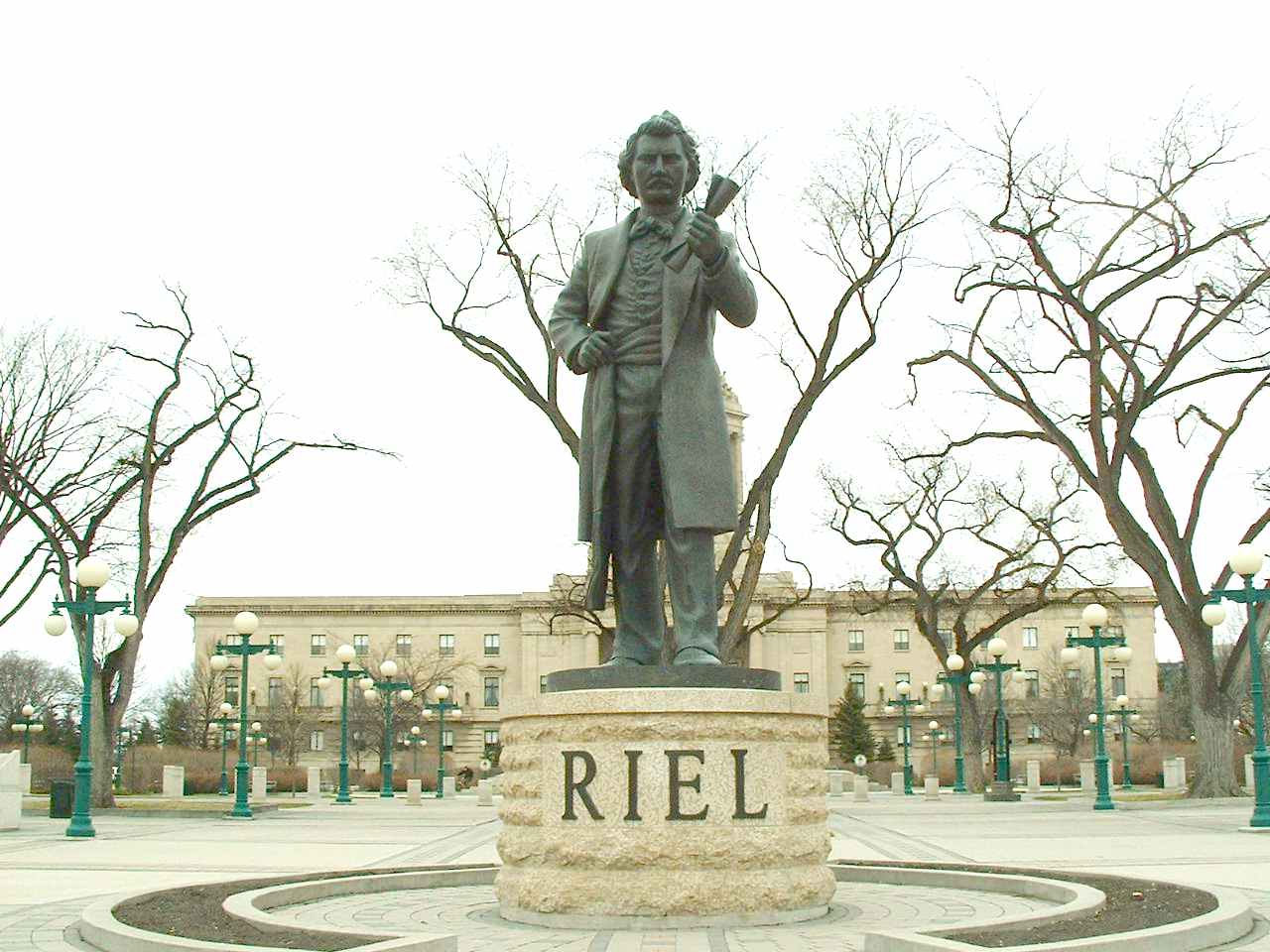
Louis Riel Day: Honouring Métis Leadership in Manitoba

Each February, Manitobans observe Louis Riel Day to honour the life and legacy of Louis Riel, a Métis leader who helped shape the province’s history. The day recognizes his leadership during the Red River Resistance and his role in negotiating Manitoba’s entry into Confederation in 1870.

For educators, Louis Riel Day offers an opportunity to centre Métis history, governance, and identity in meaningful ways. It invites learners to explore how Métis leadership influenced the formation of Manitoba and how those conversations continue to shape discussions about rights, belonging, and self-determination today.

Why Louis Riel Day Matters in the Classroom

Louis Riel remains a complex and significant historical figure. Some remember him as a political leader and the founder of Manitoba. Others view him through the lens of resistance and justice. Exploring these perspectives encourages critical thinking and helps learners understand how history reflects power, voice, and interpretation.

Louis Riel Day also provides an opportunity to learn about the broader history of the Métis Nation. Educators can use this time to highlight Métis culture, governance, language, and contributions to Canadian history. When learners engage with Métis perspectives directly, they gain a deeper understanding of Manitoba’s foundations and Indigenous leadership across the country.

Supporting Meaningful Learning About Louis Riel and Métis History

To support classroom learning, we have curated a collection of free, classroom-ready resources that centre Louis Riel and Métis voices. These resources help educators:

  • Introduce Louis Riel’s role in Manitoba’s entry into Confederation
  • Explore Métis governance and community leadership
  • Examine primary and secondary sources
  • Encourage reflection on identity, resistance, and reconciliation
  • Connect historical events to present-day conversations about Indigenous rights

Whether you teach in Manitoba or elsewhere in Canada, these resources provide accessible entry points for engaging learners with Métis history in thoughtful and respectful ways.

Classroom Resources for Louis Riel Day

  • Who are the Métis? People, Land, and Culture (Resource Kit) – This resource kit introduces learners in grades 4-5 to key aspects of Métis identity, including language, land, symbols, and important figures. Students will create story cards to represent what they’ve learned and use them to design a scene that shares their understanding of Métis culture.
  • Louis Riel, the Red River Resistance, and Beyond (Resource Kit) – Designed for older learners (grades 6–12), this resource kit includes extension activities that deepen understanding of Métis identity, Louis Riel’s leadership, and the Red River Resistance. Through critical reflection and discussion, students examine how these historical events relate to contemporary Métis experiences.
  • Rupertsland Institute – Métis Week Resources – Find Métis-developed learning materials, printables, and activities for various grade levels from the Métis Centre of Excellence.
  • Manitoba Métis Federation — Explore community events, commemorations, and activities taking place across Manitoba.

Continuing the Conversation

Louis Riel Day is an opportunity to reflect on Métis leadership, self-determination, and the shaping of Manitoba. By engaging learners with Métis history and perspectives, educators help foster deeper understanding, critical thinking, and respect for Indigenous governance and nationhood.

We encourage you to explore the resources and bring these conversations into your classroom.

Image: https://upload.wikimedia.org/wikipedia/commons/c/c4/Louis_Riel_Statue.jpg

“Louis Riel Statue” is licensed under CC BY-SA 3.0.

Indigenous Storytelling Month: Educator Resources

Indigenous Storytelling Month: A Time to Honour Story

Each February, Indigenous Storytelling Month takes place across Saskatchewan. Since 2004, Library Services for Saskatchewan Aboriginal Peoples (LSSAP) has coordinated activities to honour storytelling and support community-led events. This year, educators and community members can take part in more than 100 in-person and online gatherings that celebrate storytelling as a living, relational practice.

Although Saskatchewan formally observes Indigenous Storytelling Month, the teachings behind it reach far beyond provincial borders. For educators across Canada, winter is an especially meaningful time to integrate Indigenous storytelling into classroom practice.

Why Winter Is Traditionally the Time for Storytelling

Across many Indigenous communities, winter is the traditional time to share stories. At this time of year, hunting and gathering activities slow and food has been prepared and stored. Thus, families and communities have more time to gather, rest, and reflect together. Winter creates space for careful listening, shared learning, and the passing of knowledge through story.

Storytelling is not simply a form of entertainment. It teaches history, values, spirituality, and language. It also carries responsibilities for both the storyteller and the listener. In many Nations, certain stories are shared only during winter, reflecting the importance of timing, respect, and intention. These teachings reinforce that stories are living knowledge, shared at the right time and in the right way.

Storytelling, Wellbeing, and Learning in the Winter Months

Winter storytelling also supports wellbeing. During months when people may feel isolated or low-energy due to shorter days and less sunlight, storytelling offers grounding, connection, and resilience. Through storytelling, learners build relationships and practice attentive listening. Through stories, they also engage with teachings that guide how to live well with others and with the land.

Indigenous Storytelling Month highlights the enduring role of storytelling in Indigenous cultures. It also offers educators an opportunity to centre Indigenous storytelling pedagogy in their classrooms—whether through oral stories, seasonal teachings, or place-based learning.

Educator Resources for Integrating Indigenous Storytelling Pedagogy

For educators looking to move from learning into practice, the following resources offer classroom-ready ways to thoughtfully integrate Indigenous storytelling into teaching and learning.

Storytelling in the Classroom: More Than Just Words

This post explores storytelling as pedagogy rather than performance. Educators will learn how oral storytelling supports relationship-building, listening, memory, and cultural learning, and how stories can guide reflection and discussion across subject areas. 

Circles and Stories: How to Bring Oral Storytelling and Listening into the Classroom

This resource focuses on creating intentional spaces for storytelling and listening, such as sharing circles. This post has strategies for fostering respect, attention, and reciprocal learning while supporting learners in understanding their role as listeners and storytellers.

Under the Night Sky: Indigenous Constellation Teachings

Winter is the perfect time to share Indigenous constellation teachings. In this post, we explore how these teachings connect storytelling, science, art, and place-based learning, and how stories of the night sky carry cultural knowledge and seasonal teachings for learners.

SaskDLC Resource Bank: Indigenous Storytelling Lesson

This classroom-ready lesson from the Saskatchewan Distance Learning Centre (SaskDLC) offers educators a structured way to explore Indigenous storytelling through guided activities and discussion. The resource supports curriculum connections while encouraging respectful engagement with Indigenous stories and oral traditions.

Together, these resources can help you integrate storytelling pedagogy with care, respect, and intention. By incorporating storytelling during the winter months, you can create learning experiences that honour Indigenous knowledge systems while strengthening connection, curiosity, and community in the classroom.

Photo: Image of a traditional Haudenosaunee longhouse at the Ska-Nah-Doht Village and Museum at Longwoods Road Conservation Area in Mount Brydges, Ontario.

“Iroquoian Village – panoramio” by rokker is licensed under CC BY 3.0.