

Indigenous Storytelling Month: Educator Resources
Indigenous Storytelling Month: A Time to Honour Story
Each February, Indigenous Storytelling Month takes place across Saskatchewan. Since 2004, Library Services for Saskatchewan Aboriginal Peoples (LSSAP) has coordinated activities to honour storytelling and support community-led events. This year, educators and community members can take part in more than 100 in-person and online gatherings that celebrate storytelling as a living, relational practice.
Although Saskatchewan formally observes Indigenous Storytelling Month, the teachings behind it reach far beyond provincial borders. For educators across Canada, winter is an especially meaningful time to integrate Indigenous storytelling into classroom practice.
Why Winter Is Traditionally the Time for Storytelling
Across many Indigenous communities, winter is the traditional time to share stories. At this time of year, hunting and gathering activities slow and food has been prepared and stored. Thus, families and communities have more time to gather, rest, and reflect together. Winter creates space for careful listening, shared learning, and the passing of knowledge through story.
Storytelling is not simply a form of entertainment. It teaches history, values, spirituality, and language. It also carries responsibilities for both the storyteller and the listener. In many Nations, certain stories are shared only during winter, reflecting the importance of timing, respect, and intention. These teachings reinforce that stories are living knowledge, shared at the right time and in the right way.
Storytelling, Wellbeing, and Learning in the Winter Months
Winter storytelling also supports wellbeing. During months when people may feel isolated or low-energy due to shorter days and less sunlight, storytelling offers grounding, connection, and resilience. Through storytelling, learners build relationships and practice attentive listening. Through stories, they also engage with teachings that guide how to live well with others and with the land.
Indigenous Storytelling Month highlights the enduring role of storytelling in Indigenous cultures. It also offers educators an opportunity to centre Indigenous storytelling pedagogy in their classrooms—whether through oral stories, seasonal teachings, or place-based learning.
Educator Resources for Integrating Indigenous Storytelling Pedagogy
For educators looking to move from learning into practice, the following resources offer classroom-ready ways to thoughtfully integrate Indigenous storytelling into teaching and learning.
Storytelling in the Classroom: More Than Just Words
This post explores storytelling as pedagogy rather than performance. Educators will learn how oral storytelling supports relationship-building, listening, memory, and cultural learning, and how stories can guide reflection and discussion across subject areas.
Circles and Stories: How to Bring Oral Storytelling and Listening into the Classroom
This resource focuses on creating intentional spaces for storytelling and listening, such as sharing circles. This post has strategies for fostering respect, attention, and reciprocal learning while supporting learners in understanding their role as listeners and storytellers.
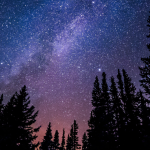
Under the Night Sky: Indigenous Constellation Teachings
Winter is the perfect time to share Indigenous constellation teachings. In this post, we explore how these teachings connect storytelling, science, art, and place-based learning, and how stories of the night sky carry cultural knowledge and seasonal teachings for learners.
SaskDLC Resource Bank: Indigenous Storytelling Lesson
This classroom-ready lesson from the Saskatchewan Distance Learning Centre (SaskDLC) offers educators a structured way to explore Indigenous storytelling through guided activities and discussion. The resource supports curriculum connections while encouraging respectful engagement with Indigenous stories and oral traditions.
Together, these resources can help you integrate storytelling pedagogy with care, respect, and intention. By incorporating storytelling during the winter months, you can create learning experiences that honour Indigenous knowledge systems while strengthening connection, curiosity, and community in the classroom.
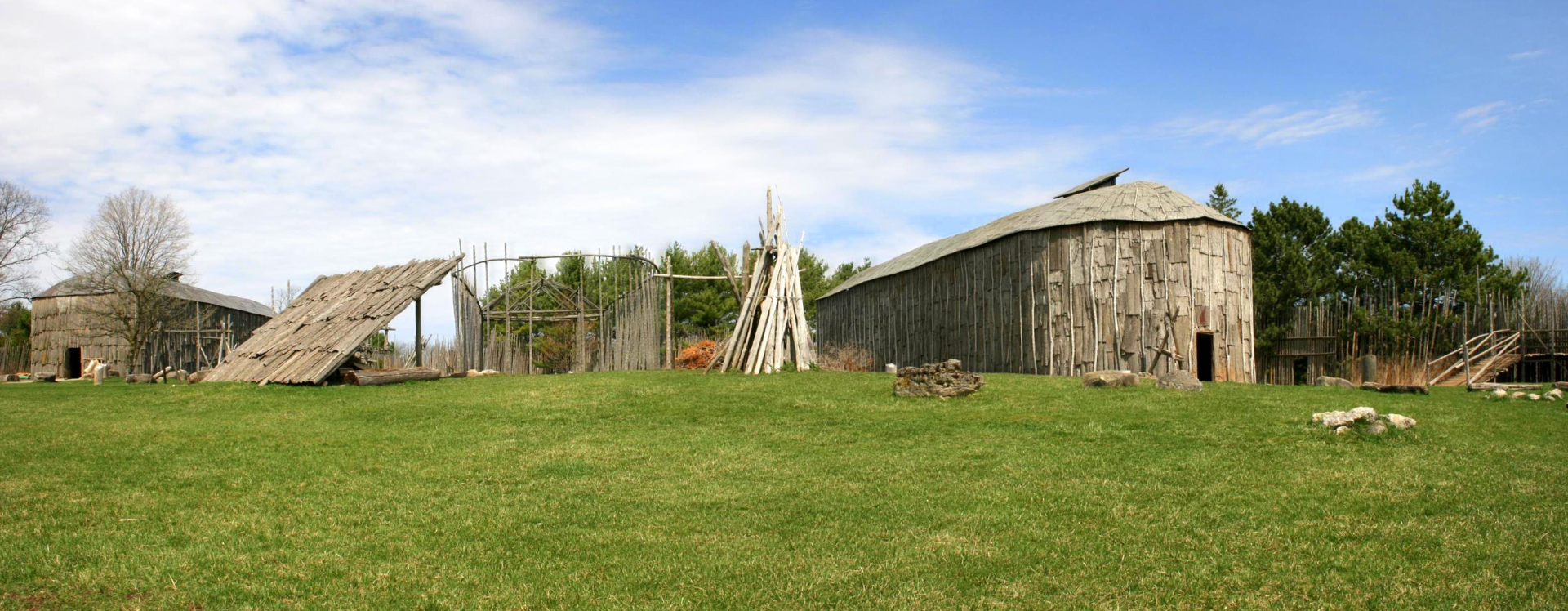
Photo: Image of a traditional Haudenosaunee longhouse at the Ska-Nah-Doht Village and Museum at Longwoods Road Conservation Area in Mount Brydges, Ontario.
“Iroquoian Village – panoramio” by rokker is licensed under CC BY 3.0.