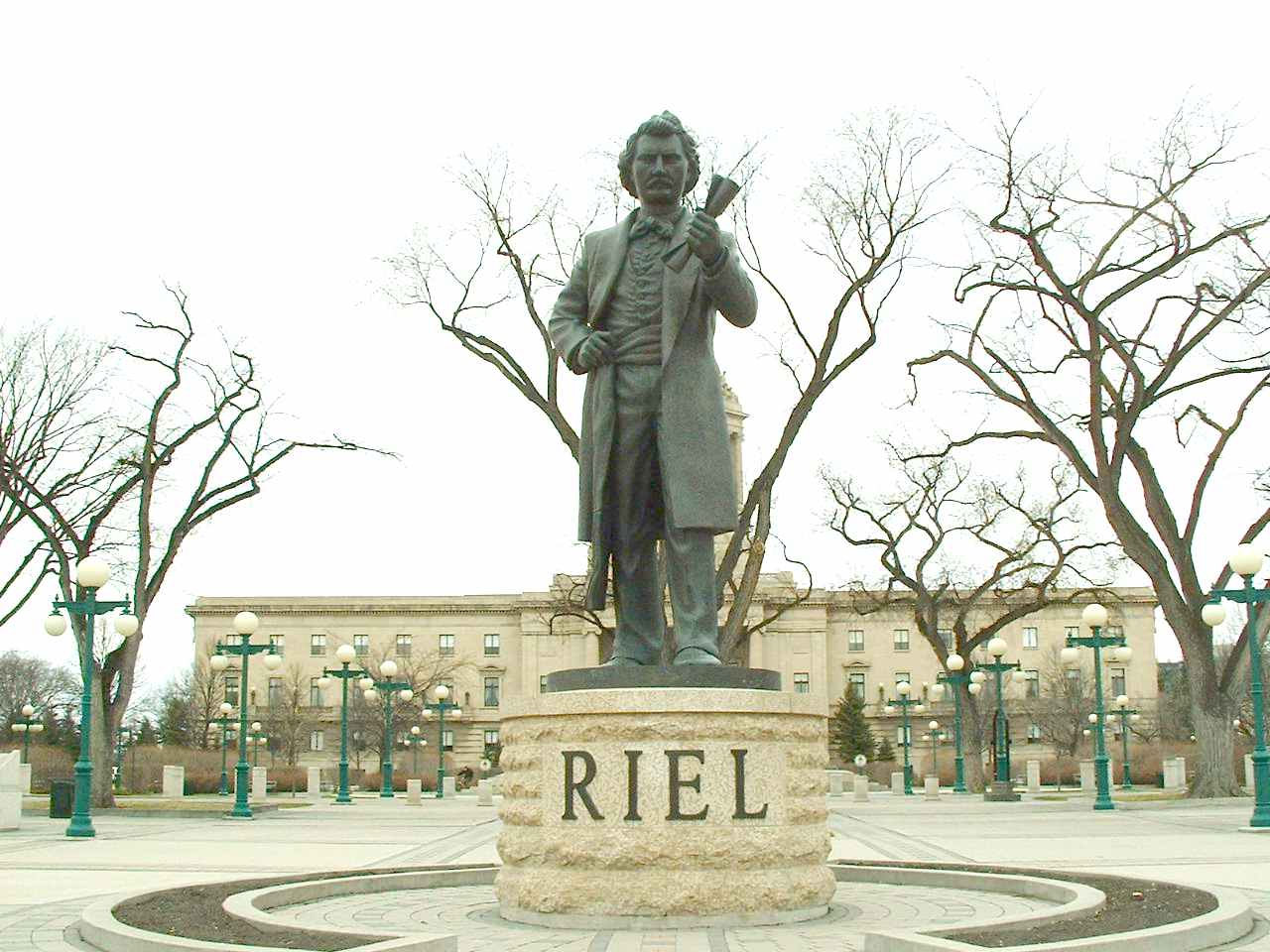
Louis Riel Day: Honouring Métis Leadership in Manitoba

Each February, Manitobans observe Louis Riel Day to honour the life and legacy of Louis Riel, a Métis leader who helped shape the province’s history. The day recognizes his leadership during the Red River Resistance and his role in negotiating Manitoba’s entry into Confederation in 1870.

For educators, Louis Riel Day offers an opportunity to centre Métis history, governance, and identity in meaningful ways. It invites learners to explore how Métis leadership influenced the formation of Manitoba and how those conversations continue to shape discussions about rights, belonging, and self-determination today.

Why Louis Riel Day Matters in the Classroom

Louis Riel remains a complex and significant historical figure. Some remember him as a political leader and the founder of Manitoba. Others view him through the lens of resistance and justice. Exploring these perspectives encourages critical thinking and helps learners understand how history reflects power, voice, and interpretation.

Louis Riel Day also provides an opportunity to learn about the broader history of the Métis Nation. Educators can use this time to highlight Métis culture, governance, language, and contributions to Canadian history. When learners engage with Métis perspectives directly, they gain a deeper understanding of Manitoba’s foundations and Indigenous leadership across the country.

Supporting Meaningful Learning About Louis Riel and Métis History

To support classroom learning, we have curated a collection of free, classroom-ready resources that centre Louis Riel and Métis voices. These resources help educators:

  • Introduce Louis Riel’s role in Manitoba’s entry into Confederation
  • Explore Métis governance and community leadership
  • Examine primary and secondary sources
  • Encourage reflection on identity, resistance, and reconciliation
  • Connect historical events to present-day conversations about Indigenous rights

Whether you teach in Manitoba or elsewhere in Canada, these resources provide accessible entry points for engaging learners with Métis history in thoughtful and respectful ways.

Classroom Resources for Louis Riel Day

  • Who are the Métis? People, Land, and Culture (Resource Kit) – This resource kit introduces learners in grades 4-5 to key aspects of Métis identity, including language, land, symbols, and important figures. Students will create story cards to represent what they’ve learned and use them to design a scene that shares their understanding of Métis culture.
  • Louis Riel, the Red River Resistance, and Beyond (Resource Kit) – Designed for older learners (grades 6–12), this resource kit includes extension activities that deepen understanding of Métis identity, Louis Riel’s leadership, and the Red River Resistance. Through critical reflection and discussion, students examine how these historical events relate to contemporary Métis experiences.
  • Rupertsland Institute – Métis Week Resources – Find Métis-developed learning materials, printables, and activities for various grade levels from the Métis Centre of Excellence.
  • Manitoba Métis Federation — Explore community events, commemorations, and activities taking place across Manitoba.

Continuing the Conversation

Louis Riel Day is an opportunity to reflect on Métis leadership, self-determination, and the shaping of Manitoba. By engaging learners with Métis history and perspectives, educators help foster deeper understanding, critical thinking, and respect for Indigenous governance and nationhood.

We encourage you to explore the resources and bring these conversations into your classroom.

Image: https://upload.wikimedia.org/wikipedia/commons/c/c4/Louis_Riel_Statue.jpg

“Louis Riel Statue” is licensed under CC BY-SA 3.0.

Indigenous Storytelling Month: Educator Resources

Indigenous Storytelling Month: A Time to Honour Story

Each February, Indigenous Storytelling Month takes place across Saskatchewan. Since 2004, Library Services for Saskatchewan Aboriginal Peoples (LSSAP) has coordinated activities to honour storytelling and support community-led events. This year, educators and community members can take part in more than 100 in-person and online gatherings that celebrate storytelling as a living, relational practice.

Although Saskatchewan formally observes Indigenous Storytelling Month, the teachings behind it reach far beyond provincial borders. For educators across Canada, winter is an especially meaningful time to integrate Indigenous storytelling into classroom practice.

Why Winter Is Traditionally the Time for Storytelling

Across many Indigenous communities, winter is the traditional time to share stories. At this time of year, hunting and gathering activities slow and food has been prepared and stored. Thus, families and communities have more time to gather, rest, and reflect together. Winter creates space for careful listening, shared learning, and the passing of knowledge through story.

Storytelling is not simply a form of entertainment. It teaches history, values, spirituality, and language. It also carries responsibilities for both the storyteller and the listener. In many Nations, certain stories are shared only during winter, reflecting the importance of timing, respect, and intention. These teachings reinforce that stories are living knowledge, shared at the right time and in the right way.

Storytelling, Wellbeing, and Learning in the Winter Months

Winter storytelling also supports wellbeing. During months when people may feel isolated or low-energy due to shorter days and less sunlight, storytelling offers grounding, connection, and resilience. Through storytelling, learners build relationships and practice attentive listening. Through stories, they also engage with teachings that guide how to live well with others and with the land.

Indigenous Storytelling Month highlights the enduring role of storytelling in Indigenous cultures. It also offers educators an opportunity to centre Indigenous storytelling pedagogy in their classrooms—whether through oral stories, seasonal teachings, or place-based learning.

Educator Resources for Integrating Indigenous Storytelling Pedagogy

For educators looking to move from learning into practice, the following resources offer classroom-ready ways to thoughtfully integrate Indigenous storytelling into teaching and learning.

Storytelling in the Classroom: More Than Just Words

This post explores storytelling as pedagogy rather than performance. Educators will learn how oral storytelling supports relationship-building, listening, memory, and cultural learning, and how stories can guide reflection and discussion across subject areas. 

Circles and Stories: How to Bring Oral Storytelling and Listening into the Classroom

This resource focuses on creating intentional spaces for storytelling and listening, such as sharing circles. This post has strategies for fostering respect, attention, and reciprocal learning while supporting learners in understanding their role as listeners and storytellers.

Under the Night Sky: Indigenous Constellation Teachings

Winter is the perfect time to share Indigenous constellation teachings. In this post, we explore how these teachings connect storytelling, science, art, and place-based learning, and how stories of the night sky carry cultural knowledge and seasonal teachings for learners.

SaskDLC Resource Bank: Indigenous Storytelling Lesson

This classroom-ready lesson from the Saskatchewan Distance Learning Centre (SaskDLC) offers educators a structured way to explore Indigenous storytelling through guided activities and discussion. The resource supports curriculum connections while encouraging respectful engagement with Indigenous stories and oral traditions.

Together, these resources can help you integrate storytelling pedagogy with care, respect, and intention. By incorporating storytelling during the winter months, you can create learning experiences that honour Indigenous knowledge systems while strengthening connection, curiosity, and community in the classroom.

Photo: Image of a traditional Haudenosaunee longhouse at the Ska-Nah-Doht Village and Museum at Longwoods Road Conservation Area in Mount Brydges, Ontario.

“Iroquoian Village – panoramio” by rokker is licensed under CC BY 3.0.

Under the Night Sky: Indigenous Constellation Teachings

“Twinkle twinkle, little star, how I wonder what you are.” From an early age, stories and songs spark our curiosity about the night sky.

As educators, we build on that curiosity by teaching about stars and constellations using charts, models, and astronomy guides. We can deepen this learning by integrating Indigenous constellation teachings, which offer cultural, spiritual, and land-based perspectives on the night sky. 

Indigenous constellation teachings are deeply connected to place, language, and community. These teachings share stories about relationships, seasonal cycles, and responsibilities to the land. By bringing these teachings into the classroom, we can enrich learning while honouring Indigenous ways of knowing and supporting more meaningful, inclusive education.

Place-Based Knowledge 

Indigenous constellation teachings are not universal. While many Indigenous Nations understand the stars through their relationships to the land, animals, and seasonal cycles, each Nation carries its own teachings, stories, and interpretations that are shaped by place, language, and lived experience.

When deciding which teachings to bring into the classroom, consider whose Traditional Territory you are teaching on. You can use Whose Land to locate the Traditional Territories you’re on and to begin learning which Nations’ knowledge systems are most closely connected to your local context.

Sharing multiple Indigenous perspectives on the night sky helps learners understand that knowledge is shaped by place and culture. This approach encourages curiosity, respect, and critical thinking, while reinforcing that Indigenous knowledge is diverse, dynamic, and deeply rooted in relationships with the land.

Resources for Learning About Indigenous Constellation Teachings 

Building your own background knowledge is an important first step if you want to integrate Indigenous constellation teachings into your lessons. Exploring trusted, Nation-specific resources can help you understand how star knowledge connects to land, language, identity, and seasonal cycles, while also modelling respectful learning practices for learners.

Gizhebaa Giizhig: Revolving Sky, created by Anishinaabe educator and Traditional Ecological Knowledge specialist Michael Wassegijig Price, shares Anishinaabe star stories and teachings that connect constellations to land and responsibility. 

Ojibwe.net offers an extensive collection of Ojibwe language and culture learning resources: Anishinaabe Astronomy and Identity explores how celestial knowledge shapes Anishinaabe worldview and cultural identity, while Moons and Days highlights how moon cycles guide seasonal timekeeping, language, and relationships to the land. 

The Native Skywatchers initiative seeks to remember and revitalize Indigenous star and earth knowledge. This website offers an extensive, well-curated collection of Indigenous-led astronomy resources, including star maps, artwork, and educational materials. These classroom-ready visuals and STEM connections support the teaching of Indigenous astronomy rooted in Two-Eyed Seeing pedagogy. 

Together, these resources provide multiple ways of thoughtfully integrating Anishinaabe and Ojibwe perspectives into astronomy learning.

Honouring Protocols and Building Relationships

Introducing Indigenous constellation teachings into your lessons is an excellent opportunity to connect with a local Elder or Knowledge Keeper. Before inviting a guest speaker into your classroom, ensure you understand and follow appropriate Protocols. 

Respectfully following Protocols ensures learners receive an authentic and meaningful learning experience. It also fosters reconciliation by building respectful relationships and honouring Indigenous knowledge systems. Localizing your teachings within the context of neighbouring Indigenous communities is essential. Contact your local Friendship Centre for support and guidance if you’re unsure where to begin. 

Weaving Indigenous Constellation Teachings into Curriculum

Indigenous constellation teachings naturally connect to multiple areas of the curriculum. As you explore ways of bringing this knowledge into your classroom, reflect on how these teachings can connect to your curriculum and enhance learning and engagement across subjects such as science, social studies, language arts, and visual arts.

Here are some guiding questions to help you get started:

  • What connections can I make between Indigenous constellation teachings and the science outcomes I already teach about astronomy?
  • How might storytelling deepen learners’ understanding of the stars and seasonal cycles?
  • Are there opportunities to include art projects that allow learners to visually represent what they’ve learned about constellations from an Indigenous worldview?

Reflecting on these questions can help you design interdisciplinary lessons that honour Indigenous ways of knowing while enriching your teaching practice.

Bringing Indigenous Constellation Teachings to the Classroom 

Incorporating Indigenous constellation teachings into your lessons enhances the learning experience and helps learners develop a deeper appreciation for Indigenous cultures and their connections to the universe. Hands-on activities honouring these teachings can inspire learners to view the stars in a new way, connecting them to stories, meanings, and traditions beyond the night sky.

Engagement with Indigenous constellation teachings can take many forms. For example:

  • Art Projects: Learners can use various media such as painting, drawing, 3D models, or loose parts to recreate a constellation.
  • Night Sky Exploration: Encourage families to explore the night sky together. 
  • STEM: Incorporate star charts or astronomy apps to explore the night sky.
  • Storytelling: Consider organizing a Storytelling Day. Invite Elders to share the spiritual meanings represented within the constellations. 

Bringing Indigenous constellation teachings into your classroom doesn’t just teach learners about the stars—it helps them connect with the rich cultural stories and teachings behind them. It also provides learners with an excellent opportunity to be open-minded and explore new perspectives that support reconciliation. Through creative and hands-on activities, you can inspire curiosity and encourage your learners to see the night sky in a whole new way.

Six Tips for Supporting Indigenous Education in Your Classroom

Education shapes our understanding of the world and one another. It sets the foundation for a brighter, more equitable future. All students should see themselves in what they learn and feel that their culture and history are respected and valued. Yet, the current education system often fails to do this for Indigenous students. 

This post offers six practical ways educators can support Indigenous education and advocate for meaningful change across schools and communities. 

Tip 1: Learn About Indigenous History and Education

Supporting Indigenous education begins with understanding the histories that shape today’s realities. Learn about the experiences of Indigenous Peoples in Canada, including the harm caused by residential schools and other assimilationist policies. 

By deepening your knowledge, you can recognize why system-level changes are necessary and speak about them with confidence. Share what you learn with colleagues, friends, and family. The more people who understand this history, the stronger the collective support for change becomes.

Tip 2: Build Relationships With Indigenous Communities

Advocacy must be grounded in relationships. Indigenous communities know what their children need, so educators should listen closely and ensure their voices inform any proposed changes.

Start by connecting with local Indigenous organizations, attending public community-run events, or reaching out to your local Friendship Centre. If you’re unsure where to start, our blog post, “Hosting Indigenous Guest Speakers and Events,” offers helpful starting points.

Become an ally. Stand in solidarity with Indigenous communities and support their efforts for improved education. This means listening to their stories, respecting their knowledge, and working together. Remember! Allies stand behind—not in front of—Indigenous Peoples.

Tip 3: Build a Culturally Inclusive Curriculum

A culturally inclusive classroom helps all learners feel valued and seen. When Indigenous perspectives, languages, histories, and worldviews are represented in everyday learning, students engage more deeply and develop a stronger sense of belonging. Educators can begin this process by incorporating Indigenous pedagogies and culturally relevant materials across subjects.

The Western education system and many provincial curricula often reinforce a single way of knowing. Review your provincial curriculum and examine how Indigenous Peoples and their histories are presented. For example, will students learn about Canada as a settler state, the history of residential schools, and other examples of systemic racism against Indigenous Peoples in Canada? If these topics are missing, consider how you can introduce them through meaningful conversations, contemporary resources, and Indigenous perspectives.

While these conversations can be challenging, recognizing how and when our current system reinforces inequality is an essential part of supporting Indigenous education. To learn more about why curricula are not neutral and how educators can begin to decolonize them, the Indigenous Guiding Principles for Curriculum Development Projects from the University of Calgary is a great place to start.

Tip 4: Advocate for Inclusive and Accurate Curriculum Change

Beyond classroom practice, educators can support Indigenous education by advocating for systemic change. You can voice your concerns when curriculum decisions may harm or exclude Indigenous students. Writing letters to school boards, attending school board meetings, or participating in curriculum consultations are meaningful ways to contribute to change.

You can also support programs that bring Elders and Knowledge Keepers into schools. Their stories and teachings enrich students’ understanding of Indigenous cultures and help shift curriculum development toward more accurate and inclusive representations.

Tip 5: Engage in Policy Advocacy for Indigenous Education

Policy advocacy is a powerful tool for long-term change. This work involves speaking with school leaders, trustees, and elected officials to highlight why Indigenous education matters and how policies can better reflect community needs. 

Change is possible. For example, the Toronto District School Board introduced a mandatory Indigenous literature course because of coordinated advocacy efforts.

Join advocacy groups, contribute to community initiatives, and help mobilize others to make a positive impact. Collective action strengthens messages and increases the likelihood of policy change. The more voices there are, the stronger the message will be. The First Nations Education Steering Committee is an excellent resource for BC-based educators who wish to undertake this work. 

Tip 6: Use Social Media and Other Digital Tools

Social media provides a vast platform to share information, amplify Indigenous voices, and connect with others who are committed to advancing Indigenous education. 

Use videos, stories, or infographics to raise awareness about issues affecting Indigenous students. Hashtags help expand your reach and connect your message to broader conversations. When more people engage, momentum for system-level change grows.

Conclusion

Supporting Indigenous education is essential for creating safe, inclusive, and meaningful learning spaces for all students. By learning about Indigenous histories, building relationships, advocating for inclusive curricula, engaging in policy work, and using digital tools, educators can help shape a more equitable future. Every action—no matter how small—contributes to long-lasting change.

Photo: National Day for Truth and Reconciliation walk in Montreal, Quebec (2025). Photo by Ryan O’Marra.

Ribbon Skirt Day: Honouring Culture, Strength, and Unity

Ribbon skirts carry deep meaning, with culture, identity, and resilience woven into every fabric thread. 

Each year on January 4, people across Canada honour Ribbon Skirt Day, a time to recognize and celebrate the cultural and spiritual significance of the ribbon skirt. For educators, it presents a wonderful opportunity to explore Indigenous teachings and incorporate meaningful cultural learning into the classroom. 

The Story Behind Ribbon Skirt Day

Ribbon Skirt Day began with a powerful act of resilience and pride. In 2020, 10-year-old Isabella Kulak, a member of Cote First Nation in Saskatchewan, wore her ribbon skirt to a formal school event. A staff member told her that her skirt was “too casual” and suggested she should have worn a store-bought outfit instead.

The incident sparked a wave of solidarity. Indigenous women and girls across Canada and beyond shared photos of themselves wearing ribbon skirts to show their pride, strength, and cultural identity. Community members also organized a walk in support of Isabella when she returned to school, reinforcing messages of belonging and respect.

In an interview, Isabella stated:

“It makes me feel really happy inside to know that lots of people are representing their culture, and I just don’t want anybody to feel ashamed for who they are. Getting all that support just makes me feel like I can do anything.”

Her story inspired Manitoba Senator Mary Jane McCallum to introduce a bill that led to the creation of National Ribbon Skirt Day, which received Royal Assent on December 15, 2022. The first national observance took place on January 4, 2023.

Traditional Meaning of Ribbon Skirts and Shirts

Ribbon skirts are handmade cloth garments adorned with colourful ribbons, each carrying deep cultural meaning. According to Dorothy Friday of the Caribou (Adik) Clan, a Knowledge Keeper at the Seven Generations Education Institute, ribbon skirts are deeply tied to womanhood and the sacred cycles of life. Friday explains that the skirt’s long, flowing shape connects the wearer to Mother Earth, symbolizing balance, respect, and the nurturing roles women hold within their families and communities.

The ribbons themselves carry personal and spiritual significance, representing the teachings, gifts, and responsibilities that women hold throughout their lives. The skirt’s design allows it to move gently with the wearer, brushing the ground as a reminder of our connection to the land and to all living things. Many teachings describe the ribbon skirt as a form of protection and strength—an outward expression of identity, pride, and resilience that honours ancestry and cultural continuity.

In many communities, ribbon shirts hold a similar meaning. Traditionally worn by men and boys, they symbolize respect, identity, and cultural strength. Each ribbon tells a story—of family, community, or personal values—and creating or wearing a ribbon shirt continues the act of honouring tradition and cultural pride.

Evolving Meanings: Identity and Inclusion

Today, ribbon garments also reflect the diversity and strength of Indigenous identities. Two-Spirit, queer, and gender-diverse Indigenous people are wearing ribbon skirts and shirts in ways that express who they are and how they connect to culture. These garments have become symbols of both cultural pride and personal identity—ways of honouring tradition while embracing individuality.

Tekaronhiokewe Talon Jacobs, a Two-Spirit teen from Akwesasne, shared how creating and wearing a ribbon skirt helped them celebrate their culture and gender identity, saying it made them feel proud and seen. Their story reminds us that ribbon garments are not confined by gender—they are expressions of connection, courage, and belonging.

Two-Spirit designer Geronimo Louie also uses ribbon work to express identity and belonging. In an interview with Vogue, Louie shared how creating and wearing traditional ribbon garments became an act of self-love and visibility:

“[In my community], there’s no Two-Spirit men wearing ribbon skirts. When I first started wearing traditional womenswear outfits, I felt so alone because I didn’t see anybody doing that.”

Whether learners connect more with a ribbon skirt, ribbon shirt, or with another expression of culture, each garment carries the same spirit of pride, resilience, and cultural continuity. As educators, it’s important to share that these garments are about identity, not gender. 

Educators can help learners explore these evolving meanings by sharing the stories of Two-Spirit and queer Indigenous designers and Knowledge Keepers who are reshaping traditional regalia to reflect inclusivity and self-determination. Inviting an Elder or Knowledge Keeper to share teachings about the history, Protocols, and meanings of ribbon garments can deepen understanding and foster respectful classroom conversations about how cultural expression continues to grow while honouring long-held traditions.

Ways to Honour Ribbon Skirt Day in the Classroom

Although Ribbon Skirt Day may occur before school resumes in January, consider using these strategies before winter break or as a way to start the new year with creativity and connection.

Here are a few ways you can meaningfully recognize Ribbon Skirt Day with your students:

Start With Research

Have learners explore the origins of Ribbon Skirt Day and the teachings behind the ribbon skirt. This helps build understanding of the day’s importance and shows learners its connection to resilience and cultural pride.

Share Stories

Introduce Isabella Kulak’s story and read age-appropriate books that celebrate ribbon skirts and their teachings:

  1. Raven’s Ribbons by Tasha Spillett-Sumner (Grades 1–3)
  2. Stitches of Tradition (Gashkigwaaso Tradition) by Marcie Rendon (Grades 1–3)
  3. The Ribbon Skirt: A Graphic Novel by Cameron Mukwa (Grades 3–7)

Create and Design

Invite learners to design their own ribbon skirts or shirts on paper. Encourage creativity and reflection. Have them identify which colours and symbols represent their identities and values. Provide younger learners with a simple template to decorate.

Create a Respectful and Inclusive Space

Create a welcoming and respectful space for conversations about Ribbon Skirt Day by encouraging meaningful dialogue, active listening, and appreciation of its cultural and spiritual significance. Acknowledge that ribbon skirts symbolize identity, tradition, strength, and a sacred connection to Mother Earth. 

Connect With Community 

If possible, host a ribbon skirt-making workshop with a local artist, seamstress, or Knowledge Keeper. They can demonstrate the process, share teachings, and discuss the cultural significance of each step. If an in-person visit isn’t possible, consider watching Serene Weasel Traveller’s ribbon skirt tutorial as a class.

Express Gratitude

Encourage learners to make thank-you cards or letters for guests who share their time and teachings. This helps learners practice reciprocity and respect.

Reflect and Discuss

Invite learners to reflect on what they’ve learned through writing, art, or group discussion. Ask questions like:

  • What does the ribbon skirt symbolize?
  • How does wearing it express pride and resilience?
  • How can we show respect for Indigenous identities and traditions in our school community?

Link to Reconciliation

Connect Ribbon Skirt Day to ongoing learning about reconciliation. Discuss topics such as cultural safety, identity, and respect for Indigenous rights and traditions. Link these lessons to broader subjects, like social studies, history, and citizenship.

Honouring Culture, Strength, and Unity

When we bring Ribbon Skirt Day into our classrooms, we help learners see strength in diversity and the beauty of cultural expression. We model respect, inclusion, and reconciliation—values that strengthen our communities and inspire pride in every learner.

By honouring Ribbon Skirt Day, we celebrate identity and unity while supporting the next generation to walk proudly in who they are and respect the uniqueness of others.

Photo of Knowledge Keeper from Webequie First Nation showing youth how to pin ribbons to a skirt in preparation for sewing. Used with permission from the education team at Simon Jacob Memorial Education Centre.

Discussing Indigenous History and Contemporary Issues in the Classroom

Teaching Indigenous history and discussing contemporary issues in the classroom helps learners understand the rich cultures and traditions of Indigenous Peoples, as well as the challenges they have faced and continue to face. However, discussing these topics can be difficult because they often involve sensitive subjects like colonization, cultural loss, and ongoing struggles for rights and recognition. 

As educators, we understand the importance of having these conversations with learners, but getting started can feel intimidating. In this post, you’ll find a guide to help you discuss the histories and present realities of Indigenous Peoples in a respectful, informative, and engaging way for learners.

Preparing Yourself

Before teaching Indigenous history and contemporary issues, it’s important to understand why they matter to learners. Many educators went through the school system when Indigenous Peoples, their history, and cultures were either absent from the curriculum or, if present, misrepresented. By discussing these topics from an informed position, we can help learners discover the truth about history, appreciate the contributions of Indigenous Peoples, and understand the challenges they face today. 

It’s important for you, as the educator, to prepare yourself before teaching your learners about Indigenous Peoples. This means learning about Indigenous history, cultures, and current issues. It also means understanding your position and biases. If you’re not Indigenous, recognize that you are teaching about a culture that is not your own. It’s important to approach these topics with respect and humility.

Tips for preparing yourself

  • Do your research. Read books, watch documentaries, and listen to Indigenous voices to learn about their history and current issues. Look for resources created by Indigenous people.
  • Acknowledge your biases. Be aware of any preconceived ideas or biases you might have. Understanding your own perspective can help you teach in a more balanced and fair way. Find resources about decolonizing yourself as an educator, decolonizing and Indigenizing your classroom, and navigating common pitfalls when Indigenizing your classroom.
  • Seek guidance. Connect with Indigenous educators or community members who can provide advice and support if possible. They can offer insights that you might not find in books or online. Your local Friendship Centre is a great resource if you’re unsure how to connect with Indigenous communities. This blog post also contains a lot of practical resources and strategies for inviting Indigenous guests into your classroom.

Creating Respectful Classrooms for Indigenous History

When discussing Indigenous topics, creating a classroom environment where all learners feel safe and respected is essential. Some learners might have Indigenous backgrounds, and these topics could be very personal for them. Others might not know much about Indigenous issues and may have misconceptions.

Tips for creating a safe environment

  • Set clear ground rules for discussions. This article walks you through how to manage challenging classroom conversations. Emphasize the importance of listening to others, being respectful, and not making assumptions about people’s experiences or backgrounds.
  • Encourage empathy. Help learners understand that these topics are not just about history but about real people and communities they affect. Encourage them to think about how they would feel in similar situations.
  • Be open to questions. Let learners know that it’s okay to ask questions, even if they’re unsure or uncomfortable. This is how they learn. However, remind them to ask questions respectfully. You may also consider having a way to ask questions that allows learners to remain anonymous.
  • Remain positive. It may seem like an odd suggestion, but these heavy topics can leave learners feeling hopeless. Instead of avoiding these difficult conversations, ensure you end with a discussion of the next steps and actions learners can take to create positive change in the present.

Connecting Indigenous History with Contemporary Issues

The last thing we want to do as educators is present the challenges faced by Indigenous Peoples as something that only exists in the past. Connecting Indigenous history with the present can help us avoid this. When teaching Indigenous history, balance the past with contemporary issues so learners understand ‘how we got here.’

Tips for teaching Indigenous history and contemporary contexts

  • Begin by teaching about the rich cultures, traditions, and knowledge systems of Indigenous Peoples. This helps learners appreciate the depth and diversity of Indigenous cultures. While the history is important, help learners understand how historical events continue to affect Indigenous Peoples today. For example, you can discuss how the loss of land during colonization impacts Indigenous communities’ connection to the land now.
  • Discuss colonization honestly. Explain how colonization affected Indigenous Peoples, including the loss of land, culture, and lives. Be honest about the harsh realities, but present the information in a way that is appropriate for your learners’ age and understanding.
  • Highlight resistance and resilience. Teach about how Indigenous Peoples resisted colonization and continue to fight for their rights today. Show examples of Indigenous resilience and contributions to society.
  • Use current events. Incorporate news stories or recent events related to Indigenous issues. This helps learners see that these topics are not just about the past but are also relevant today.
  • Invite Indigenous voices. Whenever possible, include Indigenous voices in your lessons. This could be through guest speakers, interviews, or videos of Indigenous people discussing their experiences and perspectives. This is one of the most important actions you can take as an educator. By inviting Indigenous guests to tell their stories, you create and hold space for their truths.

Using Culturally Appropriate Resources

When teaching Indigenous history, using culturally appropriate and accurate resources ensures learners receive authentic perspectives. This helps ensure that learners receive correct information and that Indigenous cultures are represented respectfully.

Tips for using appropriate resources

  • Choose Indigenous authors and creators. Look for books, articles, and videos created by Indigenous people. These resources are more likely to provide an authentic perspective.
  • Avoid stereotypes. Be careful not to use resources that present Indigenous Peoples in a stereotypical or one-dimensional way. Show the diversity and complexity of Indigenous cultures. Pay close attention to any sources that are not authored by Indigenous Peoples themselves.
  • Use a variety of materials. Incorporate different resources, such as stories, documentaries, art, and music. This makes the learning experience more engaging and helps learners appreciate the richness of Indigenous cultures.

Encouraging Critical Thinking When Teaching Indigenous History

Teaching Indigenous topics isn’t just about providing information; it’s also about helping learners think critically. Encourage them to question what they’ve learned in the past, consider different perspectives, and think about how they can contribute to a more just and equitable society.

Tips for encouraging critical thinking

  • Ask open-ended questions. Encourage learners to think deeply by asking questions like, “How do you think this event affects people today?” or “What can we do today to support Indigenous rights?”
  • Promote discussion. Give learners time to discuss these topics in small groups or as a class. This allows them to share their thoughts and learn from each other.
  • Encourage action. Help learners think about how they can make a positive difference. This could include learning more about Indigenous issues, supporting Indigenous communities, or sharing what they’ve learned with others.

Conclusion

Teaching Indigenous history and contemporary issues in the classroom is an important part of education. It helps learners understand the truth about history, appreciate the diversity and resilience of Indigenous cultures, and think critically about the challenges Indigenous Peoples face today. By preparing yourself as an educator, creating a safe learning environment, using culturally appropriate resources, and encouraging critical thinking, you can help your learners explore these important topics respectfully and meaningfully.

Image attribution: The photo in this blog post features the Kwakiutl (Kwakwa̱ka̱ʼwakw) Bear Pole carved by Henry Hunt from the Kwakwa̱ka̱ʼwakw community of Fort Rupert, BC. This totem pole stands outside the parliament building in Victoria, BC.

Carrying Truth and Reconciliation Forward in the Classroom

On September 30, Canada honours the National Day for Truth and Reconciliation—also known as Orange Shirt Day—to discuss the effects and legacy of residential schools and build bridges toward reconciliation. For educators, this day highlights the importance of truth and reconciliation in the classroom, ensuring that learners of all ages engage with these histories and their lasting impacts.

This national day of reconciliation grew out of an Indigenous-led grassroots movement called Orange Shirt Day. This movement began in May 2013 when Phyllis Webstad told the story about how her new orange shirt, a gift from her grandmother, was taken away from her when she went to residential school at six years old. This story inspired Orange Shirt Day and remains the reason why orange is so deeply associated with the journey of truth and reconciliation within Canada.

What started out as a commemoration for the St. Joseph Mission residential school has now moved beyond a day of remembrance to a sustained call to action across Canada. Educators play an important role in ensuring that we follow through on this call to action by embedding reconciliation into their daily teaching practice. In this post, we share some guiding principles, reflection questions, and resources to help educators carry the conversation forward all year.

Guiding Principles for Educators

There are some guiding principles educators can use to bring truth and reconciliation into the classroom year-round.

Truth-Telling

Truth-telling is an integral part of reconciliation because it promises to “change national narratives and create a new collective memory that acknowledges crimes of the past.” For Indigenous Peoples, truth-telling is necessary to address the harm caused by colonization, including policies that sought to erase Indigenous presence, voices, and histories.

Historically, governments and institutions have denied, silenced, or erased the truths shared by Survivors and their families. Truth-telling is both a political and deeply personal act. It challenges denial and calls on society to reckon with its past. Internationally, truth-telling processes have been recognized as a way to confront histories of violence and injustice. In Canada, it continues to be central to reconciliation.

In classrooms, truth-telling requires educators to centre the voices of Survivors and other Indigenous people. By directly engaging with oral histories, testimonies, and community resources, learners can begin to understand the legacy and ongoing impacts of residential schools from those who lived them. This approach shifts learning away from abstract or sanitized accounts and toward meaningful engagement with truth.

When choosing resources to support truth-telling, ask yourself:

  • Whose voice is being centred? Is the resource rooted in Survivor testimony, Indigenous authorship, or lived experience?
  • Whose perspective is missing? Are Indigenous voices present, or is the narrative filtered through a non-Indigenous lens?
  • Does the resource challenge denial or erasure? Does it clearly name the harms of residential schools and colonization?
  • Is it respectful and age-appropriate? Will learners be guided to engage with the truth in a meaningful but not harmful way?
  • How does this resource connect to ongoing reconciliation? Does it frame residential schools as part of a continuing legacy rather than as a closed chapter of the past?

Relationship Building

For many educators, schooling offered little accurate knowledge about Indigenous Peoples. In many cases, Indigenous histories, languages, and cultures were absent from curricula, or when included, were misrepresented. These portrayals, shaped by the settler state rather than by Indigenous voices, contributed to widespread misunderstandings and stereotypes.

Today, building authentic relationships with local Indigenous communities is essential for creating meaningful and authentic learning experiences that centre Indigenous voices and perspectives. These relationships enrich classroom teaching, support cross-cultural understanding, and ensure that learners engage with knowledge grounded in lived experience.

One way to foster these connections is by inviting Indigenous guest speakers or hosting cultural events in schools. These visits can bring learners into direct contact with the diverse traditions, knowledge systems, and perspectives of Indigenous Peoples. Because such visits require respectful planning and collaboration, we’ve shared practical tips and strategies in our post on hosting Indigenous guest speakers and events.

When reflecting on the process of building relationships, ask yourself: 

  • Whose relationships are shaping the learning? Am I creating space for Indigenous community members, Elders, or Knowledge Keepers to lead, or am I relying mainly on outside/settler-created resources?
  • Am I approaching these relationships respectfully? Have I taken time to learn about cultural Protocols and expectations for engaging with Indigenous communities?
  • How are learners experiencing these relationships? Are students engaging with Indigenous voices as living, dynamic, and diverse, rather than as static “content” in the curriculum?

Reciprocity and Respect

At the heart of reconciliation is a commitment to reciprocity and respect. These values shape how we teach, learn, and relate to one another. In education, reciprocity means that learning is not one-directional; it honours the exchange of knowledge between teachers, learners, Elders, families, and communities. Respect ensures that this exchange happens in ways that acknowledge Indigenous knowledge systems, experiences, and Protocols.

For educators, this principle is about more than including Indigenous content in the classroom. It is about creating a learning environment that reflects these values in practice. Reciprocity can look like inviting learners to share their own experiences and knowledge, while respect can mean ensuring Indigenous voices and perspectives are presented authentically and with care. 

Together, they foster classrooms where truth-telling and reconciliation are lived, not just taught.

We’ve shared some practical approaches for weaving these principles into classroom practice in our earlier post on using Indigenous pedagogies in your classroom, including the four Rs of Indigenous education. 

When reflecting on how reciprocity and respect are embedded in your teaching practice, ask yourself:

  • Am I treating learning as a two-way exchange? How are learners, families, and community members contributing knowledge alongside educators?
  • Whose voices are being respected in this lesson? Are Indigenous perspectives represented authentically and in their own words?
  • Am I honouring Protocols? Have I taken care to ensure resources and activities reflect respect for Indigenous traditions and knowledge systems?
  • How are respect and reciprocity visible in my classroom? What practices, routines, or activities make these values part of daily learning?

Conclusion

As educators, we bring truth and reconciliation into the classroom every day through how we teach, what stories we share, and how we honour Indigenous voices. We encourage you to explore the resources in this blog post and reflect on how you can commit to year-long action following the principles of truth-telling, relationship-building, and respect and reciprocity.  

Resource List

  • National Centre for Truth and Reconciliation – Taking Truth to Action.
    • This weeklong program has free, age-appropriate programming for students in grades 1–12. Students can learn directly from residential school Survivors, Indigenous artists and athletes, and other subject matter experts.
  • Orange Shirt Society – Residential School and Reconiliation Resources
    • The Orange Shirt Society, formed by the founders of Orange Shirt Day, have a selection of age-appropriate digital and print resources to support teaching and learning about reconciliation and the residential school system.
  • Empowering the Spirit – Orange Shirt Day and Beyond
    • Empowering the Spirit is a curated collection of resources to help educators integrate Indigenous pedagogies into their teaching practice. Their Orange Shirt Day and Beyond section has K–12 lesson plans and classroom activities designed for the week before Orange Shirt Day.
  • Learning Bird – Orange Shirt Day Resource Kits (K–12)
    • Learning Bird has developed free, classroom-ready Orange Shirt Day resource kits for K–12. Each kit includes background information, framing presentations, and in-class activities designed to help learners engage with the history and legacy of residential schools in age-appropriate ways. You can explore and download the kits and watch our free webinars on our website.

Sources

  1. Hurst, J., & Maddison, S. (2023, April 10). First Nations people have made a plea for “truth-telling”. By reckoning with its past, Australia can finally help improve our future. The Conversation. Retrieved August 27, 2025, from https://theconversation.com/first-nations-people-have-made-a-plea-for-truth-telling-by-reckoning-with-its-past-australia-can-finally-help-improve-our-future-202137
  2. ReconciliationWA. Truth-telling and Listening. https://www.recwa.org.au/hub/course/truth-telling-and-listening/

Celebrating Canada’s Newest Territory: Understanding the Importance of Nunavut Day

How do you bring Nunavut Day into your classroom when students are out enjoying the summer sun? Nunavut Day, celebrated annually on July 9, marks the creation of Canada’s newest territory. In 1999, the Northwest Territories split to form Nunavut—a place where Inuit communities have the power to govern and manage their own land. Nunavut Day is the perfect chance to explore the rich history, culture, and traditions of Inuit communities. In this post, we’ll look at why Nunavut Day matters and how to bring this celebration into your classroom.

History

The process of creating Nunavut started in the late 1960s when the Inuit Tapiriit Kanatami (ITK)—then known as the Inuit Tapirisat of Canada—was created to represent the interests of Inuit communities throughout Canada. In its early years, the ITK focused on advocating for land rights and self-determination. A significant initiative was the Inuit Land Use and Occupancy Project, which documented traditional Inuit land use and occupancy and demonstrated Inuit claims to their ancestral territories.

Years of advocacy work, research, and lobbying resulted in the Government of Canada settling the Nunavut Land Claims Agreement (NLCA) in 1993. The NLCA was a major step forward for Inuit self-determination. It’s the largest Indigenous Title settlement in Canadian history and ensures Inuit communities have the tools and authority to take care of their land, wildlife, and future. Through the agreement, Inuit gained title to a huge portion of their Traditional Territory and secured a meaningful role in decision-making about natural resources and environmental stewardship. The Nunavut Government reflects Inuit values and priorities, making Nunavut a powerful example of what self-determination can look like in practice.

The other key piece of legislation was the Nunavut Act, which outlined the creation of Nunavut as a new territory with its own government and administrative structures. Although the NLCA and the Nunavut Act were adopted by the Canadian Parliament on July 9, 1993, the formal separation of Nunavut from the Northwest Territories didn’t happen until April 1, 1999. Originally, Nunavut Day was held on April 1 to celebrate the formal separation. However, the people of Nunavut felt that the adoption of the NCLA and the Nunavut Act was the true turning point, so Nunavut Day is now celebrated on July 9. 

How Is Nunavut Day Celebrated?

On Nunavut Day, communities from across the territory participate in traditional games, music, dance, feasts, and storytelling, each element deeply rooted in Inuit traditions and values.​

Festivities often feature traditional Inuit games that have been passed down through generations, serving both as entertainment and as a means of teaching survival skills. One of these games is nalukataq, or blanket toss. Originally a hunting technique to spot game from a height, participants are thrown into the air from a walrus or seal skin held by others. Today, it’s a festive activity symbolizing community support.​

Nunavut Day gatherings are also filled with music and dance. For example, these celebrations often feature drum dancing, where rhythmic beats on a qilaut—a drum made from caribou skin stretched over a wooden frame—set the pace for dancers who move in harmony with the beat, using motion to tell stories. Equally powerful is katajjaq (Inuit throat singing), an art form typically performed by women. This unique vocal technique involves two singers who face each other, creating rhythmic sounds that mimic Arctic nature—like animal calls or the wind—through a playful yet competitive back-and-forth.

Traditional foods include seal meat, which is celebrated not only for its cultural significance but also for its vital role in sustaining life in the Arctic. Another cherished dish is muktuk, made from whale skin and blubber, often eaten raw or pickled. Arctic char, a cold-water fish, is usually enjoyed smoked or grilled, while caribou meat is often prepared as stews or roasts. These dishes offer nourishment and represent the deep relationship between Inuit and their environment.

Storytelling by Elders and Knowledge Keepers is an essential part of the day, providing a chance to share Traditional Knowledge, oral history, and life lessons that have shaped Inuit identity. Through storytelling, Elders pass on teachings that connect the past with the present, preserving cultural heritage while fostering a sense of community. 

Whether through games, music, food, or storytelling, Nunavut Day is a powerful celebration of Inuit resilience, identity, and self-determination.

Bringing Nunavut Day into Your Classroom 

Even though Nunavut Day happens when most students are off for the summer, you can bring the spirit of Nunavut Day into your classroom through lessons and activities that help students learn about Inuit history, culture, and traditions. Here are some ideas to get you started: 

  1. Host Inuit speakers, Knowledge Keepers, or Elders: Organize in-person or virtual visits where Inuit guests can share their personal experiences, stories, and information about Inuit language and culture.
  2. Make Cross-Curricular Connections:
    • Geography: Show a map of Canada and point out where Nunavut is located. Talk about Nunavut’s large area, remote communities, and unique northern climate. 
    • Social Studies: Discuss the events and advocacy that led to the creation of Nunavut, and talk about its significance as a land claims settlement and for the recognition of Indigenous rights.
    • History: Show archival photos from the official creation of Nunavut on April 1, 1999. Invite students to choose one photo and write a short reflection or historical caption from the perspective of someone attending the ceremony. Who are they? What are they feeling?  
    • Science: Discuss environmental issues and examine how climate change is affecting northern areas such as Nunavut.
    • Art: Help learners connect with Inuit art and culture through music, videos, art, or interviews with Inuit artists.
  3. Look for Symbolism: Learn about Nunavut’s flag, which features an inuksuk and the Niqirtsuituq (North Star).
  4. Incorporate Inuit literature: For young students, consider including culturally relevant books written by Inuit authors such as the following:

Conclusion

Nunavut Day isn’t just another day on the calendar. It’s a special time to celebrate Inuit strength, culture, and history. Even though this summer celebration doesn’t coincide with the regular school year, you can still bring Inuit voices, culture, stories, and knowledge into the classroom. This school year, take some time to honour, reflect, and celebrate. Happy Nunavut Day!

The Importance of 2SLGBTQIA+ Inclusive Education

I grew up in an environment that valued heteronormativity above all, and I can confidently say that I’m much lesser for it. Growing up, I knew I was different from my friends, but I wasn’t equipped to understand what those differences were. When I became an educator, I promised to do better for my students, so they wouldn’t have to grow up feeling like I did. 

So, how can you create a 2SLGBTQIA+ inclusive classroom? Keep reading for suggestions and resources to help create safer, more inclusive, and more supportive learning environments for all students year-round!

Why Talking About 2SLGBTQIA+ Experiences Matters

Excluding 2SLGBTQIA+ experiences and voices from education doesn’t stop people from being queer; it just stops us from being seen and supported. Sexual education programs, in particular, that exclude 2SLGBTQIA+ voices and experiences also result in worse health outcomes for queer youth than their heterosexual, cisgender peers. 

Omitting 2SLGBTQIA+ experiences and voices from sexual education can lead to an increased risk of contracting sexually transmitted infections or ending up in abusive relationships for 2SLGBTQIA+ youth.

In addition to better health outcomes for queer students, 2SLGBTQIA+ inclusive education creates environments where all students feel safe and happy in their identities as they learn and grow. Students learn better and build confidence when they feel secure in their learning environments. 

In their article Say More Than Gay, Sam Ames, Director of Advocacy & Government Affairs at The Trevor Project, wrote: “Among other things, our research consistently reinforces what years of evidence has been telling us: Supportive schools save lives.”

Implementing 2SLGBTQIA+ Inclusive Education 

As educators, we know how important it is for students to see themselves reflected in the world around them. 2SLGBTQIA+ inclusive education takes the inclusion of queer experiences in education a step further by integrating 2SLGBTQIA+ experiences and voices into all subjects. 2SLGBTQIA+ experiences and perspectives are often relegated to health classes or Pride Month. When we isolate the experiences of 2SLGBTQIA+ people to health class or a single month, we disconnect queer experiences and realities from the larger curriculum, creating environments where queer students feel unwelcome, unwanted, and unseen.

The GLSEN explains that 2SLGBTQIA+ inclusive education is both a mirror and a window. It is a mirror because it reflects the culture and history of the 2SLGBTQIA+ community, giving 2SLGBTQIA+ youth a better understanding of themselves and affirming their gender identities. It’s also a window, because it invites students to listen and understand different worldviews and perspectives. Even if a student is not a member of the 2SLGBTQIA+ community, this awareness can help them build empathy and be better advocates and allies.

Keeping this in mind is essential when creating 2SLGBTQIA+ inclusive lessons and curriculum. Here are some ways to implement 2SLGBTQIA+ inclusive education:

  • Remember that words have power. Incorporate inclusive language in your classroom and lessons by using non-gendered language.
  • Incorporate 2SLGBTQIA+ events and stories throughout your curriculum. Avoid segmenting 2SLGBTQIA+ voices.
  • Seek diversity, equity, and inclusion professional development opportunities in your area. Understanding intersectionality and how it can affect our personal and professional biases can help promote the inclusivity we bring into our classrooms.
  • Promote and advocate for 2SLGBTQIA+ inclusive student groups and clubs.

Age-Appropriate Approaches and Resources

Kindergarten to Grade 6

Approach:

  • Use inclusive storybooks and resources from authors with diverse backgrounds.
  • Emphasize the importance of respect and celebrating diversity.

Resources:

Celebrating Diverse Identities by Learning Bird

This resource kit encourages students to explore and consider diverse identities in their communities and how they can help create safe and inclusive spaces. Students will work through activities about challenging stereotypes and building empathy, helping them better understand diverse perspectives and foster collaboration. The resources are designed for Grades 4–6 and are available for free through our website.

Ready, Set, Respect by GLSEN

This toolkit “provides a set of tools that will help you prepare to teach about respect and includes lesson plans that can help you seize teachable moments. The lessons focus on name-calling, bullying and bias, LGBT-inclusive family diversity and gender roles and diversity. They can be used as standalone lessons or as part of a school-wide anti-bias or bullying prevention program.”

Rabbit Chase
Written by Elizabeth LaPensée
Illustrated by KC Oster
Translated by Aarin Dokum
“Anishinaabe culture and storytelling meet Alice in Wonderland in this coming-of-age graphic novel that explores Indigenous and gender issues through a fresh yet familiar looking glass.”
Noodin’s Perfect Day
Written by Ansley Simpson
Illustrated by Rhael McGregor
“Noodin had their perfect day planned – until surprise babysitting interrupts their plans and sends them on an urban adventure! When Noodin’s perfect day is interrupted, they seek adventure instead, spending the day with their human, animal, and tree cousins in the city. But will Noodin ever get the pancakes they’re craving? Come along and find out!”
And Tango Makes Three
Written by Justin Richardson and Peter Parnell
Illustrated by Henry Cole
“At the penguin house at the Central Park Zoo, two penguins named Roy and Silo were a little bit different from the others. But their desire for a family was the same. And with the help of a kindly zookeeper, Roy and Silo got the chance to welcome a baby penguin of their very own.”


Grades 7–9

Approach:

  • Introduce more detailed ideas about gender identity and sexuality.
  • Continue to emphasize empathy, respect, and diversity in lesson examples.

Resources:

Pronoun Guide by GLSEN

“This guide is created to help anyone learn how to use people’s correct pronouns. Everyone in your school community should learn, educate, and advocate for the inclusive use of pronouns for all.”

The Lumberjanes Series
Written by ND Stevenson, Shannon Watters, and Grace Ellis
Illustrated by Gus A Allen
“Five best friends spending the summer at Lumberjane scout camp… defeating yetis, three-eyed wolves, and giant falcons….. what’s not to love?!”
The Best Man
Written by Richard Peck
“Newbery Medalist Richard Peck tells a story of small-town life, gay marriage, and everyday heroes in this novel for fans of Gary Schmidt and Jack Gantos.”


Grades 10–12

Approach:

  • Comprehensive sex education with 2SLGBTQIA+ perspectives and information.
  • Encouragement of student-led advocacy and initiatives.

Resources:

Inclusive Sexual Health Education for Lesbian, Gay, Bisexual, Transgender by GLSEN

“Educators can use [these resources] to ensure all students are seen and validated in their health and sexuality classes. If you’re a health and/or sexuality educator, you can share these resources with your administration and, where relevant, use them in your classroom.”

Drowning in Fire
Written by Craig S. Womack
“Interweaving past and present, history and story, explicit realism and dreamlike visions, Craig Womack’s Drowning in Fire explores a young man’s journey to understand his cultural and sexual identity within a framework drawn from the community of his origins.”
Simon vs. the Homo Sapiens Agenda
Written by Becky Albertalli
“Sixteen-year-old and not-so-openly gay Simon Spier prefers to save his drama for the school musical. But when an email falls into the wrong hands, his secret is at risk of being thrust into the spotlight.”


General Resources

Navigating Resistance to 2SLGBTQIA+ Inclusive Education

Advocating for 2SLGBTQIA+ inclusive education can have its challenges. Promoting and advocating for 2SLGBTQIA+ inclusive education can result in resistance from parents or other educators. The best strategy for this resistance is to engage with and educate those resisting and show them how inclusive education benefits everyone. Another approach is to find supportive staff and community partners. There is strength in numbers.While advocating can be challenging, it’s also vital. Creating a safe and inclusive environment makes students feel secure in their identities, which helps them thrive as they learn and grow.

Getting Started

Hopefully, you’ve found at least one resource above to help you get started. If this is new to you, it’s easy to feel overwhelmed about where to start. My only advice is to start small and be kind to yourself. By actively deciding to include 2SLGBTQIA+ experiences and voices in your lessons, you’re on your way toward creating an environment where students can feel safe to explore their identities and be their authentic selves.

Note: The term “queer” is not universally-accepted within the 2SLGBTQIA+ community. It is used in this article in a reclaimed and non-derogatory sense and reflects the personal preferences of the author.

6 Common Pitfalls in Indigenizing the Classroom—and How to Avoid Them

There’s a growing movement to Indigenize classrooms as part of a broader effort to acknowledge and incorporate Indigenous perspectives, knowledge, and pedagogies into our educational systems. 

Educators who are making these efforts do so from a place of sincerity. We recognize that Indigenizing our classroom benefits all learners, even those who are not Indigenous. Despite our best intentions, it’s easy to make mistakes during this process.

In this post, we’ll examine some of the most common pitfalls of Indigenizing the classroom and suggest ways of avoiding them!  

Pitfall #1: Superficial Inclusion or Tokenism

One of the most common mistakes educators make when beginning to Indigenize their classrooms is tokenism—where we include Indigenous content or perspectives in a superficial way. Tokenism can look like the occasional inclusion of Indigenous stories, symbols, or practices without integrating these elements into the broader curriculum or teaching methodology. An example of tokenism would be using a teepee as a quiet space in your classroom without discussing its importance to Indigenous Peoples. 

Solution

Educators should strive for a deep and meaningful integration of Indigenous knowledge. This means going beyond symbolic gestures and incorporating Indigenous worldviews, epistemologies, and pedagogies into the fabric of the curriculum. Including Indigenous knowledge in a meaningful way requires you to learn more about Indigenous Peoples yourself. Collaborating with Indigenous communities and experts can provide valuable guidance and resources for a more authentic inclusion. You can find some excellent resources to help you learn more about using Indigenous pedagogies in the classroom from UBC. 

Here are some ways you can integrate Indigenous knowledge in a meaningful way:

  • Invite Indigenous speakers to your classroom. 
  • Use Whose Land to find out which Indigenous territory or territories you currently occupy. 
  • Try using an online Indigenous language app, like First Voices, to begin learning some vocabulary! Supporting language revitalization efforts and highlighting the importance of language in cultural identity can deepen learners’ understanding and appreciation of Indigenous cultures.

Pitfall #2: Lack of Cultural Competence

A lack of cultural competence among educators can hinder the effective Indigenization of the classroom. Without a deep understanding of Indigenous cultures, histories, and contemporary issues, educators may use outdated, inaccurate, or insensitive sources, perpetuating stereotypes and misconceptions. A lack of cultural competence can also lead us to overgeneralize. Indigenous Peoples are diverse, with distinct languages, traditions, and histories.

Solution

Professional development and ongoing education are key to building cultural competence. Educators should seek training opportunities, professional development workshops, and courses focused on Indigenous histories, cultures, and pedagogies. Use only accurate, up-to-date, and culturally sensitive resources. Building relationships with Indigenous communities and engaging in open, respectful dialogue can help you develop your understanding and ensure the information presented is respectful and accurate. 

It’s also important to emphasize the diversity within Indigenous cultures to our learners. We can do this by highlighting different Indigenous groups’ unique characteristics and contributions and by providing learners with opportunities to explore this diversity. Including multiple Indigenous perspectives in the curriculum can enrich learners’ understanding and appreciation of this diversity.

Pitfall #3: Ignoring Contemporary Issues

Another common pitfall when we try to Indigenize the classroom is focusing too much on historical aspects of Indigenous cultures. This approach can reinforce the notion that Indigenous cultures are relics of the past rather than vibrant, living cultures.

Solution

It is essential to highlight Indigenous Peoples’ contemporary realities and contributions. While learning the history of Indigenous Peoples is important in understanding these contemporary realities, it’s equally important to ground this learning in the present. Learn about current social, political, and environmental issues and the achievements and innovations of Indigenous individuals and communities today. Then, share this knowledge with your learners. Incorporating current events and contemporary Indigenous voices into the curriculum can provide a more accurate and dynamic portrayal.

Pitfall #4: Imposing Western Frameworks

As we introduce Indigenous pedagogies into our teaching practice, we may need to let go of the Western educational frameworks many of us were educated in. When we try to fit Indigenous knowledge and pedagogies into preexisting Western structures, we can undermine the goals of Indigenizing the classroom. One example of this is asking learners to create a story but insisting it follows a linear plot. Linear plots are a convention of Western stories, but not typical of Indigenous ones.

Solution

Recognize and respect the distinctiveness of Indigenous knowledge systems and teaching methods. This may require rethinking and adapting assessment methods, classroom dynamics, and curricular structures to better align with Indigenous pedagogies. Engaging with Indigenous educators and communities can provide insights into how to create a more inclusive and culturally responsive educational environment.

Pitfall #5: Not Building Relationships with Indigenous Communities

We can’t just teach about Indigenous communities, especially if we are not members of one ourselves. Our Indigenizing efforts need to include relationship-building with Indigenous communities. Without these relationships, the Indigenization of your classroom can lack authenticity, and educators and learners may miss out on valuable insights and resources.

Solution

Building relationships with Indigenous communities is foundational to Indigenizing the classroom. This involves engaging in genuine, respectful, and sustained partnerships and seeking guidance and collaboration from Indigenous community members. These relationships can provide invaluable support and ensure that Indigenizing efforts are grounded in authenticity and respect.

Attending events and connecting with Indigenous community members is a great way to start building these relationships. If you’re not sure how to start, your local Friendship Centre is a great resource.

Pitfall #6: Underestimating the Emotional Impact

We can’t Indigenize our classrooms without acknowledging topics related to colonization, trauma, and cultural loss. These topics are sensitive and have an emotional impact on Indigenous and non-Indigenous learners and educators alike. Failing to acknowledge the emotional impact that Indigenizing the classroom can have can leave learners and educators feeling emotionally drained and even hopeless. It’s important to carefully consider the supports available to you and your learners as you strive to Indigenize your classroom.

Solution

Ensure you create a supportive and empathetic classroom environment where learners feel safe expressing their emotions and engaging with challenging topics. Provide resources and support for learners who may be affected by the content and approach these topics with care and sensitivity. Discuss potential community resources–such as a school nurse or counselling supports–with your administrators. Building a classroom culture of respect, empathy, and open dialogue can help navigate the emotional complexities of Indigenizing the classroom.

Conclusion

Indigenizing the classroom is a vital and transformative process that requires careful consideration, respect, and commitment. Being aware of and addressing common pitfalls can help educators create a more inclusive, respectful, and enriching learning environment that honours and integrates Indigenous knowledge and perspectives. The journey to Indigenized education is ongoing, and it involves continuous learning, reflection, and collaboration with Indigenous communities. Educators can contribute to a more just and equitable educational landscape that benefits all learners through these efforts.