

Under the Night Sky: Indigenous Constellation Teachings
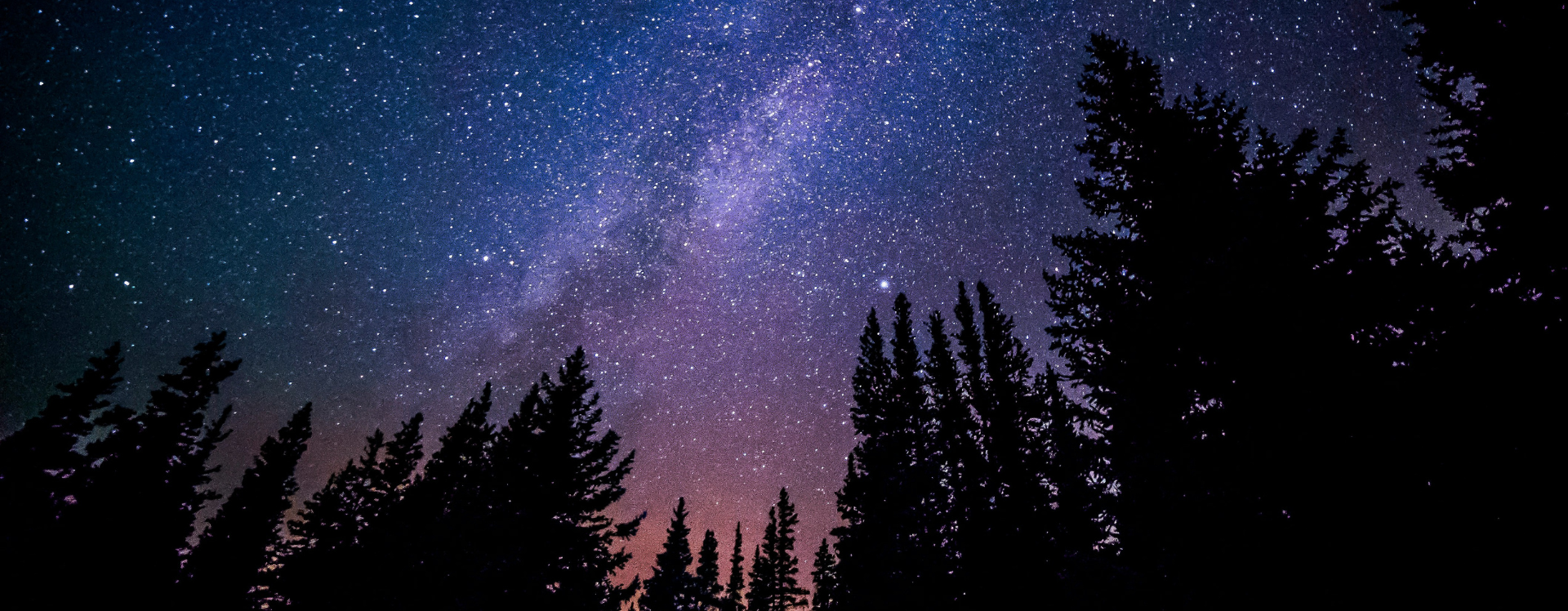
“Twinkle twinkle, little star, how I wonder what you are.” From an early age, stories and songs spark our curiosity about the night sky.
As educators, we build on that curiosity by teaching about stars and constellations using charts, models, and astronomy guides. We can deepen this learning by integrating Indigenous constellation teachings, which offer cultural, spiritual, and land-based perspectives on the night sky.
Indigenous constellation teachings are deeply connected to place, language, and community. These teachings share stories about relationships, seasonal cycles, and responsibilities to the land. By bringing these teachings into the classroom, we can enrich learning while honouring Indigenous ways of knowing and supporting more meaningful, inclusive education.
Place-Based Knowledge
Indigenous constellation teachings are not universal. While many Indigenous Nations understand the stars through their relationships to the land, animals, and seasonal cycles, each Nation carries its own teachings, stories, and interpretations that are shaped by place, language, and lived experience.
When deciding which teachings to bring into the classroom, consider whose Traditional Territory you are teaching on. You can use Whose Land to locate the Traditional Territories you’re on and to begin learning which Nations’ knowledge systems are most closely connected to your local context.
Sharing multiple Indigenous perspectives on the night sky helps learners understand that knowledge is shaped by place and culture. This approach encourages curiosity, respect, and critical thinking, while reinforcing that Indigenous knowledge is diverse, dynamic, and deeply rooted in relationships with the land.
Resources for Learning About Indigenous Constellation Teachings
Building your own background knowledge is an important first step if you want to integrate Indigenous constellation teachings into your lessons. Exploring trusted, Nation-specific resources can help you understand how star knowledge connects to land, language, identity, and seasonal cycles, while also modelling respectful learning practices for learners.
Gizhebaa Giizhig: Revolving Sky, created by Anishinaabe educator and Traditional Ecological Knowledge specialist Michael Wassegijig Price, shares Anishinaabe star stories and teachings that connect constellations to land and responsibility.
Ojibwe.net offers an extensive collection of Ojibwe language and culture learning resources: Anishinaabe Astronomy and Identity explores how celestial knowledge shapes Anishinaabe worldview and cultural identity, while Moons and Days highlights how moon cycles guide seasonal timekeeping, language, and relationships to the land.
The Native Skywatchers initiative seeks to remember and revitalize Indigenous star and earth knowledge. This website offers an extensive, well-curated collection of Indigenous-led astronomy resources, including star maps, artwork, and educational materials. These classroom-ready visuals and STEM connections support the teaching of Indigenous astronomy rooted in Two-Eyed Seeing pedagogy.
Together, these resources provide multiple ways of thoughtfully integrating Anishinaabe and Ojibwe perspectives into astronomy learning.
Honouring Protocols and Building Relationships
Introducing Indigenous constellation teachings into your lessons is an excellent opportunity to connect with a local Elder or Knowledge Keeper. Before inviting a guest speaker into your classroom, ensure you understand and follow appropriate Protocols.
Respectfully following Protocols ensures learners receive an authentic and meaningful learning experience. It also fosters reconciliation by building respectful relationships and honouring Indigenous knowledge systems. Localizing your teachings within the context of neighbouring Indigenous communities is essential. Contact your local Friendship Centre for support and guidance if you’re unsure where to begin.
Weaving Indigenous Constellation Teachings into Curriculum
Indigenous constellation teachings naturally connect to multiple areas of the curriculum. As you explore ways of bringing this knowledge into your classroom, reflect on how these teachings can connect to your curriculum and enhance learning and engagement across subjects such as science, social studies, language arts, and visual arts.
Here are some guiding questions to help you get started:
- What connections can I make between Indigenous constellation teachings and the science outcomes I already teach about astronomy?
- How might storytelling deepen learners’ understanding of the stars and seasonal cycles?
- Are there opportunities to include art projects that allow learners to visually represent what they’ve learned about constellations from an Indigenous worldview?
Reflecting on these questions can help you design interdisciplinary lessons that honour Indigenous ways of knowing while enriching your teaching practice.
Bringing Indigenous Constellation Teachings to the Classroom
Incorporating Indigenous constellation teachings into your lessons enhances the learning experience and helps learners develop a deeper appreciation for Indigenous cultures and their connections to the universe. Hands-on activities honouring these teachings can inspire learners to view the stars in a new way, connecting them to stories, meanings, and traditions beyond the night sky.
Engagement with Indigenous constellation teachings can take many forms. For example:
- Art Projects: Learners can use various media such as painting, drawing, 3D models, or loose parts to recreate a constellation.
- Night Sky Exploration: Encourage families to explore the night sky together.
- STEM: Incorporate star charts or astronomy apps to explore the night sky.
- Storytelling: Consider organizing a Storytelling Day. Invite Elders to share the spiritual meanings represented within the constellations.
Bringing Indigenous constellation teachings into your classroom doesn’t just teach learners about the stars—it helps them connect with the rich cultural stories and teachings behind them. It also provides learners with an excellent opportunity to be open-minded and explore new perspectives that support reconciliation. Through creative and hands-on activities, you can inspire curiosity and encourage your learners to see the night sky in a whole new way.