
Decolonizing Your Math Classroom
Mathematics is often viewed as a neutral and objective subject governed by strict rules and universally accepted principles. However, scholars and educators have increasingly argued that math, like any other discipline, is shaped by the cultural context in which it is taught.
Decolonizing your math classroom involves recognizing the discipline’s Eurocentric roots and intentionally integrating Indigenous knowledge systems into instruction. When we examine whose knowledge is highlighted and whose is left out, we create space for more accurate and inclusive learning. Decolonizing math does not mean lowering standards. It means broadening our understanding of mathematics and honouring the diverse ways communities think, measure, calculate, and problem-solve.
In this post, we’ll explore why decolonizing math education matters. We’ll also share practical steps you can take to create a more inclusive classroom.
The Colonial Foundations of Western Mathematics
Western education systems often present mathematics as universal and culture-free. This framing limits how students understand mathematics. Many curricula emphasize European mathematicians like Euclid, Newton, and Pythagoras while minimizing contributions from other cultures.
Indigenous Peoples across the Americas, Africa, Asia, and Australia have long used complex counting systems, geometric designs, spatial reasoning, and measurement practices in daily life. Yet traditional math instruction rarely highlights these systems.
When schools present math as culturally neutral, they overlook the worldview embedded in how the subject is taught. Decolonizing your math classroom requires more than adding a single lesson on Indigenous contributions. It requires recognizing that mathematical knowledge develops within cultural contexts.
Why Decolonizing the Math Classroom Matters
Decolonizing mathematics is not just about inclusion; it’s about creating a more accurate and holistic understanding of the world. Mathematics, like any discipline, is shaped by culture. Communities around the world have developed distinct approaches to problem-solving, patterning, and measurement.
When we acknowledge that math has multiple origins and is practiced in diverse ways across the globe, we enrich our understanding of the subject and challenge the idea that there is only one “correct” way to approach mathematical problems. This shift can reduce fear and perfectionism in math classrooms. Many students hesitate to participate because they worry about making mistakes. Broadening how we frame math encourages exploration and confidence.
Decolonizing math can be transformative for Indigenous students. Many Indigenous learners struggle with math, not because they lack ability, but because the way it is taught feels disconnected from their experiences and values. By integrating Indigenous knowledge systems into math education, we can help these students see themselves reflected in the curriculum and foster a sense of belonging.
Decolonizing math also benefits non-Indigenous students by exposing them to different ways of thinking and learning. In today’s globalized world, understanding diverse perspectives is essential. A math education that includes Indigenous knowledge can help students develop critical thinking skills and a deeper appreciation for the complexity of the world around them.
Practical Steps for Decolonizing Mathematics
Decolonizing math requires both reflection and action. Below are practical strategies you can begin using in your classroom.
1. Integrate Indigenous Knowledge and Perspectives
One of the most important steps in decolonizing your math classroom is recognizing and valuing Indigenous knowledge systems. Move beyond simply adding content and instead explore how Indigenous Peoples understand measurement, patterning, quantity, and spatial reasoning within cultural and land-based contexts.
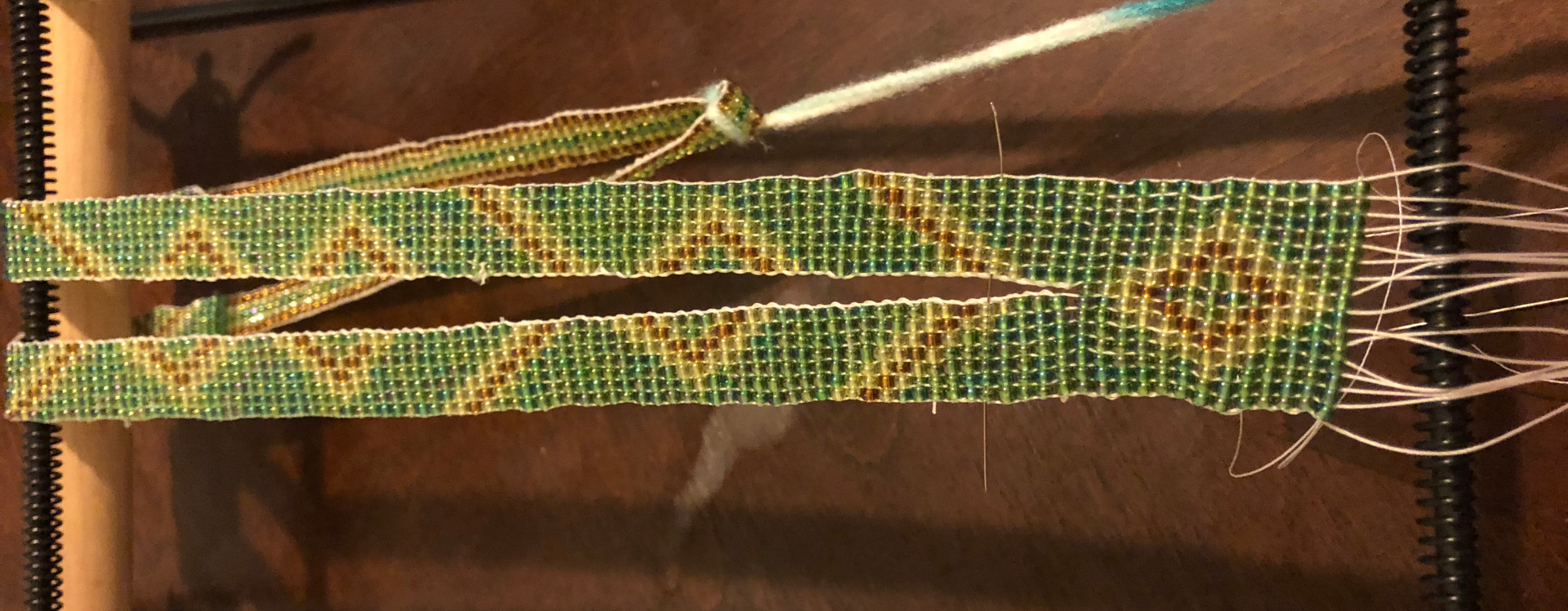
For example, many Indigenous communities use geometric designs in beadwork, weaving, and quillwork that reflect sophisticated mathematical thinking. If you are teaching about pi, you could explore this concept through a quill box activity that highlights the work and artistry of the late Mi’kmaw Elder Dianne Toney. This activity helps students see how circumference and pattern connect to cultural practice.
You can also draw on broader curriculum resources such as the Math First Peoples Teacher Resource Guide from the First Nations Education Steering Committee or the Math in a Cultural Context (MCC) program hosted by the University of Alaska Fairbanks.
Both resources offer culturally grounded approaches to mathematics. The Math First Peoples Teacher Resource Guide supports educators working with First Nations in British Columbia. Educators elsewhere can draw inspiration from it, provided they localize examples and clarify cultural context. The MCC initiative integrates Indigenous knowledge with mathematics instruction by grounding lessons in local cultural practices and community knowledge.
In addition, consider highlighting contributions from other non-Western cultures, such as the development of algebra in the Middle East or the concept of zero in ancient India. When students understand that mathematical knowledge has multiple origins, they begin to see math as globally shaped rather than culturally neutral.
2. Connect Math to Students’ Lives
Dr. Lisa Lunney Borden, a leading scholar in decolonizing mathematics education, emphasizes the importance of making math relevant to students’ everyday experiences. She explains that when learners see how mathematics connects to their lives and communities, they engage more deeply and develop greater confidence.
This approach is especially meaningful for Indigenous students. Many Indigenous cultures have long applied mathematics in practical, land-based contexts. Activities such as fishing, hunting, gathering, and resource management involve estimation, measurement, pattern recognition, and spatial reasoning. Designing lessons around these real-world practices helps students recognize math as lived knowledge rather than abstract procedure.
Educators can also incorporate patterning and geometry through Indigenous art. Exploring symmetry, repetition, and design in beadwork or other artistic traditions provides meaningful entry points for discussing mathematical concepts. If you’d like a starting place, try our free resource kit to begin bringing patterns and Indigenous art into your curriculum.
By connecting mathematics to students’ experiences and communities, educators make the subject more engaging, relevant, and accessible.
3. Use Indigenous Languages in Math Instruction
In many Indigenous languages, mathematical concepts are embedded in everyday communication. Language carries ways of counting, measuring, grouping, and describing relationships. For example, the Mi’kmaw language includes specific terms for numbers, measurements, and geometric forms that reflect how the community understands quantity and space.
Where appropriate, educators can incorporate these linguistic elements into math instruction. This might include introducing Indigenous counting systems, using local language terms for shapes, or discussing how measurement is described in a specific language.
You can also invite students to share how their families describe counting, grouping, or measuring. Asking learners to explain how something is counted or described demonstrates respect for their knowledge and affirms that multiple systems of understanding exist. Educator Stavros Stavrou models this approach in practice by encouraging students to explain mathematical concepts through their own linguistic and cultural frameworks.
By centring language in math instruction, educators move beyond content integration and begin to honour the deeper cultural frameworks that shape mathematical understanding.
4. Rethink Assessment Methods
Traditional math assessments often rely on timed tests and standardized exams. These formats measure speed and accuracy, but don’t always capture deep understanding. This is especially true for Indigenous learners who may approach problem-solving differently. Educators should consider alternative assessment methods that allow students to demonstrate their knowledge in a variety of ways. For example, students could create projects, work in groups, or explain their thinking through storytelling.
The process of decolonizing math also involves reconsidering how we assess learning. This includes offering students multiple ways of demonstrating their understanding. For example, students might create visual projects, solve real-world problems in groups, present their reasoning orally, or explain mathematical concepts through storytelling.
Alternative assessments value process as much as product. They create space for collaboration, reflection, and multiple problem-solving strategies. This approach supports Indigenous learners while benefiting all students.
Shifting away from strictly pen-and-paper assessments also aligns with principles of Indigenous pedagogies. These approaches emphasize relational learning, observation, and experiential understanding rather than isolated performance. You can explore these principles further in our post, 6 Ways to Use Indigenous Pedagogies in Your Classroom.
By rethinking assessment practices, educators create math classrooms that honour diverse strengths and ways of knowing.
5. Learn from Indigenous Communities
Finally, educators should engage with Indigenous communities and seek to learn from their knowledge and experiences. This might involve inviting Indigenous Elders or Knowledge Keepers to speak to students, attending professional development workshops on Indigenous education, or collaborating with local Indigenous organizations to develop culturally relevant math lessons.
Conclusion
Decolonizing mathematics requires ongoing reflection and action. By valuing Indigenous ways of knowing, educators can create more inclusive math classrooms that challenge Eurocentric assumptions and honour diverse knowledge systems. This shift benefits all learners by making math relevant, engaging, and culturally responsive.
Photo: Beaded lanyard, Nemaska, Quebec. Photo by Hannah Arseneau-Danielis.